

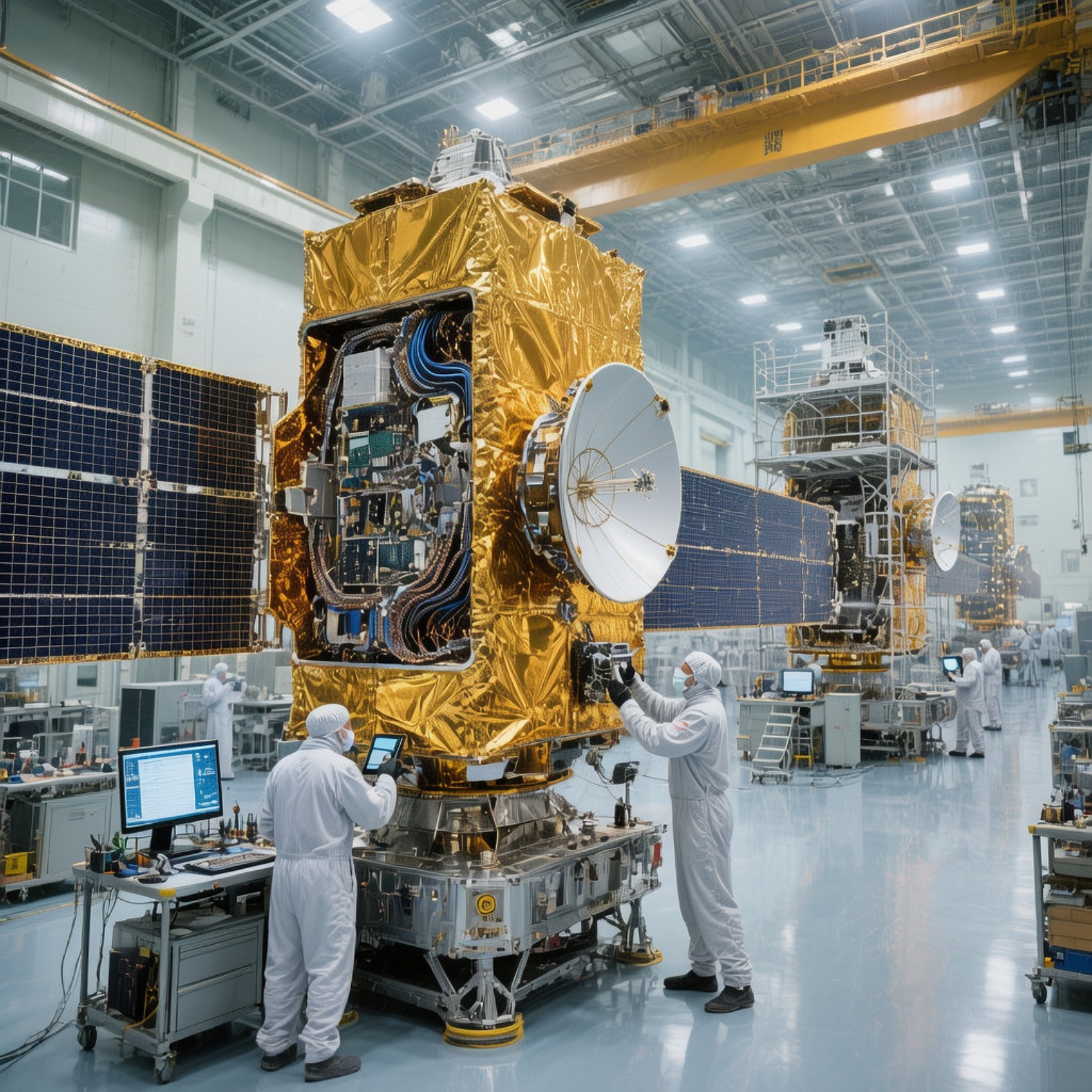

Bangladesh has launched a plan to build a homegrown space industry, starting with a government-commissioned feasibility study that will explore how to make rockets, build satellites and set up a dedicated space industrial park, and the idea has already excited engineers, students and business groups. The study will examine three core pieces: a rocket manufacturing and launch facility, a satellite manufacturing unit with an assembly integration and test laboratory, and a space industrial park that could host makers, suppliers and research teams. Officials say the goal is to develop local skills, cut dependence on foreign suppliers, attract investment and create new jobs in engineering manufacturing and services. University experts praised the plan as ambitious but practical and said early steps could focus on assembling imported components while technicians train and designers gain experience. A local firm has been hired to prepare a full feasibility report and preliminary designs and planners will look at coastal and inland sites that offer good transport links, power and water. The project could bring clear benefits across many fields because domestic satellites and local data services can help farmers, weather agencies, disaster responders and shipping companies get faster and better information. At present the country relies heavily on outside sources for high quality satellite images and real time data and that can be slow and costly. Owning domestic satellites and a launch capability would make important data more affordable and available when it is needed most. The space industrial park would aim to attract start ups suppliers and foreign partners so small firms can make parts test equipment and offer services that support wider industries. Leaders say training and research at universities will be essential and they hope to build courses, labs and internships so new graduates can fill the jobs the industry will create. The plan is framed as steady and careful; begin with pilot projects, test what works, build skills and then scale up while keeping strong safety and quality checks. Organisers note that investment and foreign technical help will be required and they expect to work with partner countries and private firms to gain access to know-how and equipment. If the plan moves ahead it could open new business for engineers, boost exports of specialised parts and help public services by supplying better weather mapping and communications data. The initiative may also create high tech jobs near the industrial park and draw research investment that helps other sectors grow. Overall, the message from planners, experts and industry representatives was hopeful: with careful study training and international partners Bangladesh can take measured steps into the space economy, create jobs at home and bring new scientific tools to help people across the whole country.