

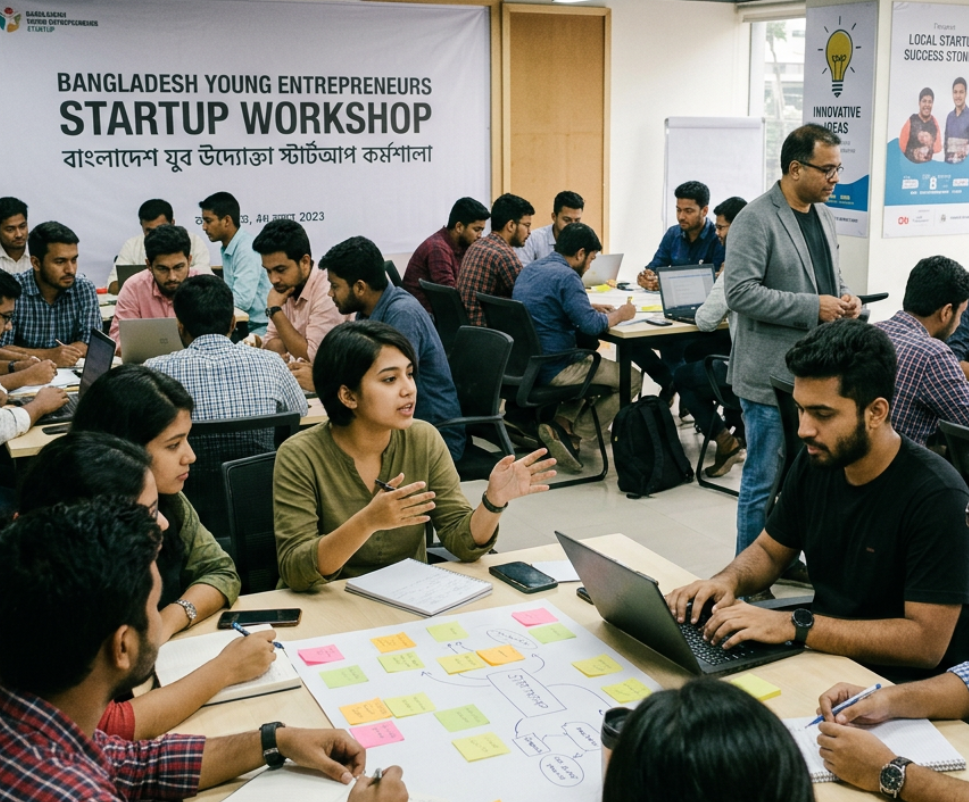

A strong call is growing to make entrepreneurship the next national mission so young people can turn ideas into steady jobs and new firms. Many graduates leave school with will and knowledge but cannot find work that fits their skills, and this gap risks wasting a valuable youth advantage. The article explains that the old plan of matching people to existing jobs is not enough; the country also needs more firms that create jobs. Entrepreneurship is not just a dream about lone founders; it is a practical way to solve problems, serve customers, and hire people. New firms can bring fresh products, local services, and new markets that make the wider economy more stable. But the essay notes that many young founders face hard barriers early on: loans that ask for big collateral, rules that are slow or unclear, and a thin pipeline of seed money and mentors. Training and mentorship are key, the piece says, and these must be practical and routine rather than rare events. Schools and training hubs should teach basic business skills such as finding customers, simple bookkeeping, pricing, and how to manage cash. Mentors from local firms and trade groups can give regular guidance and sector advice that turns ideas into better plans. Finance must also change to match the risk young founders face: small grants, careful loans with teaching, revenue-based finance, and early equity can help businesses survive their first critical months. The article also calls for easier rules for licences and registration so makers can focus on their products rather than paperwork. Market links are central too: public buyers and larger firms can buy from small businesses when standards are met, and that early demand helps new firms grow. Above all, the author stresses basic habits that matter in real life: find real customers, keep clear accounts, separate family and business money, and keep quality steady so customers return. These steps help small firms last beyond short trends and social media hype. The piece argues that the country does not lack ideas or energy; what is missing is a steady system that moves people from interest to launch to growth. Treating entrepreneurship as a national mission means aligning schools, finance, rules, and markets so more founders can build lasting firms and hire others. Policymakers, schools, and businesses must act together to make this happen now quickly.