

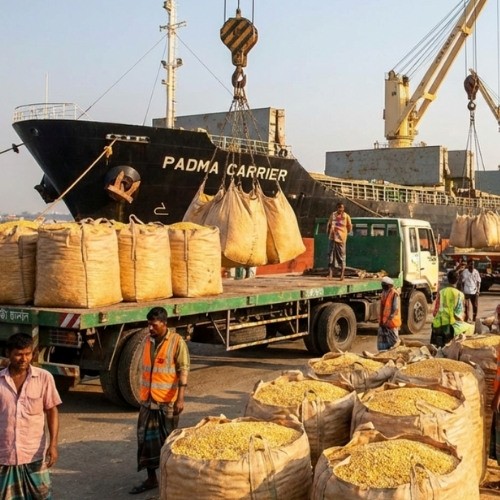

Bangladesh has received its first shipment of corn from the United States in eight years, a sign that global grain links are changing as local feed demand grows and a welcome boost for commercial millers and poultry producers who need steady grain. The vessel carried 57,855 tonnes of corn to Chittagong Port, and the cargo was sourced from the US Midwest states of North Dakota, South Dakota and Minnesota before being exported from Vancouver in Washington. Officials from the US Embassy joined a consortium of buyers at the port that included Nahar Agro Group, Paragon Group and Nourish Poultry and Hatchery Ltd, and the arrival was handled with close coordination so mills can get prompt deliveries. Buyers and millers say the shipment helps expand options for feed ingredients at a time when local demand for poultry and other animal products is rising, and it gives feed companies a chance to compare price, quality and timing across origins. The US Foreign Agricultural Service has highlighted stronger commercial opportunities for US corn given competitive prices and improving logistics, and local industry bodies note that imports in coming seasons could be larger if price and freight patterns remain favourable. Right now Brazil supplies most of Bangladesh’s corn imports, with Argentina, Pakistan and India supplying smaller shares, but buyers say having more supplier choices can make the market more resilient and reduce pressure when one source faces delays. The feed sector already includes many registered mills that together make millions of tonnes of commercial feed each year, and roughly seven out of ten kilos of that feed are used by the poultry sector, so steady access to corn matters for feed quality and cost. Demand has been driven by growing poultry consumption, more integrated farming systems and improved genetics, and those trends are supporting steady growth in compound feed output. Industry groups say the new US arrival should be followed by simple steps that help mills adapt, such as clear quality checks at arrival, fair trading terms, and options for storage and handling so supplies can be spread safely over time. Buyers also welcome longer contracts and clearer delivery plans so processors can plan feed runs and keep animal farms stable. With more origins competing to supply Bangladesh, millers can seek better value and buyers can reduce risk from single-source reliance, which helps farmers and feed staff who depend on steady supplies. Overall, the US shipment is viewed as a positive practical step that widens choices for feed makers, supports expanding poultry and livestock production, and gives the sector fresh options to build a more resilient corn supply chain.