

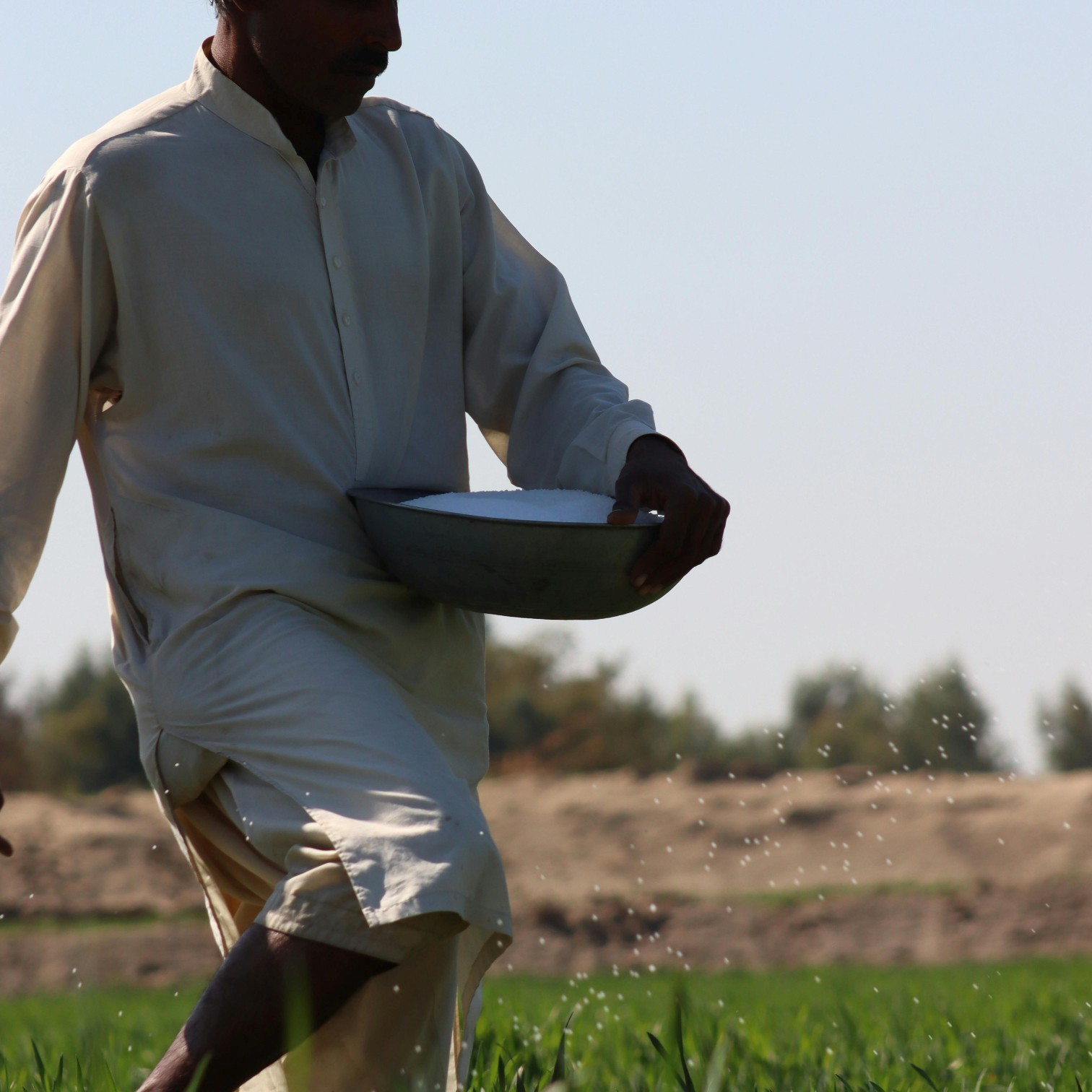

A growing call to strengthen seed security in Bangladesh is gaining attention as experts, farmers and development groups point to seeds as the first line of defence for the nation’s food future. Seed security means farmers can get the right kinds of seed when they need them, seeds that will grow well, resist pests and cope with changing weather. Right now many farmers struggle to find high quality, affordable seed at planting time, and that gap can lower harvests, raise costs and make household food supplies fragile. Improved seed systems help farmers plant on time, use varieties suited to local soils and climate, and recover faster after floods or droughts. The country has strong public research institutes and private seed companies, but coordination gaps, irregular quality control and weak distribution chains leave many rural growers without good options. Smallholder farmers often rely on saved seed or informal exchanges, which can be low cost but may reduce yields over time if seed quality declines. Experts recommend boosting certified seed production, strengthening seed testing and inspection, and expanding community seed banks so farmers have trustworthy local supplies. Training and extension services are equally important so farmers know which varieties suit their land, how to store seed safely, and when to sow. Climate change adds urgency because new pests and shifting rainfall patterns make resilience a top priority, and seed that tolerates salinity, heavy rain or heat can protect harvests and incomes. Public policy can help by simplifying rules for seed registration, offering incentives for private firms to multiply resilient varieties, and funding research on locally adapted crops. At the same time, support for small seed businesses and farmer cooperatives can widen access in remote areas. Digital tools are also part of the solution: simple mobile platforms can connect farmers with nearby suppliers, share planting guides and show stock levels so planting decisions are better timed. Donors and development partners can support seed fairs, training and small grants for community seed initiatives that preserve crop diversity while meeting modern needs. When farmers have strong seed choices, the whole food chain benefits — local markets become steadier, nutrition improves because diverse crops are available, and rural incomes rise as yields stabilize. Strengthening seed security is a practical, cost effective way to protect food supplies now and build resilience for the future. Small changes such as better testing, clearer information and more local seed stores can make big differences for families, farms and the nation as a whole. Women farmers and youth can benefit from seed training and new jobs in local seed supply chains. Clear labelling, sample trials and simple loan schemes help farmers try new varieties with less risk. This work is achievable.