

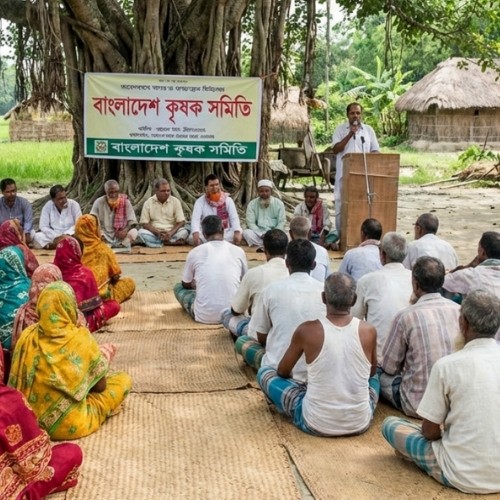

The Safe Agriculture and Food Movement presented twenty clear demands at a press conference to help farmers and farm workers earn fair pay, protect their health, and safeguard the land they farm, and organisers urged political parties to include these measures in their pledges so the plans can be turned into action. The demands ask for farmer identity cards to make sure support reaches the right people, crop insurance to reduce losses from bad seasons, and laws to protect agricultural land from illegal use or pollution. The list also calls for steps to keep soil and water healthy, protect seed rights so farmers can use and save local varieties, and conserve indigenous crops, fish, and livestock that suit local conditions. Speakers want more organic fertiliser and less harmful chemical use, a ban on very dangerous pesticides, rules to control ultra processed food, and better waste management that keeps farming areas clean. The movement proposed fair prices for crops, stronger local markets, easier and cheaper credit for small farmers, training on safe practices, and support for small scale processing so families can add value to what they grow. A key demand asks for a minimum wage and a pension scheme for agricultural workers so those who work on farms have steady income and can plan for retirement and health needs. Other ideas include urban and rooftop gardening support, public programmes to promote traditional foods and festivals, risk allowances for bad seasons, and pilot projects to test insurance and market fixes in local areas. Speakers at the event included farmer group members, consumer advocates and agricultural experts who noted that farming must be safe and climate ready while also giving people a fair living. An economist at the programme warned that past farming methods focused only on higher yields and that soil, water and people now face harm, and he said health and safety must shape future plans. Organisers said the proposals are practical and that quick steps like sample insurance schemes, local training, and clearer links between buyers and producers can show benefits fast and build trust. They urged leaders to use public funds and policies to back small farmers, protect rivers and wetlands, and support research on low cost, low risk farming ideas that raise yields without harming health. If these demands are taken up, farmers could expect steadier income, safer food for communities, and less pressure to use risky chemicals, while markets would gain from more reliable and cleaner produce. The movement called for regular review of progress and open talks with government, buyers and farmer groups so small changes can grow into lasting gains that help rural families and keep farming strong and create more local jobs.