

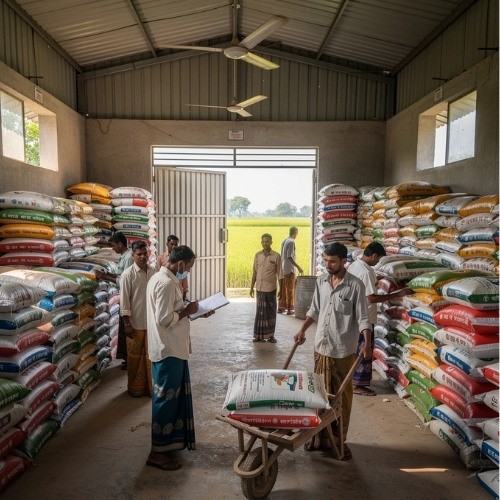

Bangladesh has received a big shipment of potash fertilizer from Russia’s Uralchem Group in a move that aims to help local farmers grow healthier, more productive crops and support the country’s food supply. The 30,000 metric tonnes of potash, also known as muriate of potash, arrived under a humanitarian programme run with the United Nations World Food Programme and was handed over at an official event in Dhaka with government and diplomatic representatives present. Uralchem is a major global fertilizer company based in Russia, and this delivery is part of the company’s ongoing efforts to donate fertilizer to countries facing food security challenges; since late 2022 it has shipped more than 220,000 tonnes of mineral fertilizer free of charge to nations in Africa and Asia in cooperation with the World Food Programme. Potash is an important crop nutrient that helps plants use water efficiently and build strong roots and stems, and officials said the donated fertilizer will help growers get better yields as they prepare fields for planting in the coming seasons. The Agriculture and Home Affairs Adviser, Lieutenant General (retd) Md Jahangir Alam Chowdhury, spoke about the importance of steady access to quality fertilizer amid climate change pressures and shifting markets, and praised the delivery as an example of international cooperation that can strengthen Bangladesh’s food system. Farmers and agricultural planners have welcomed the arrival because potash can reduce the need to import costly fertilizer ingredients and give growers more confidence in planning crop nutrition needs. The World Food Programme’s role in chartering the transport vessel and handling logistics helped bring the shipment from European storage to Bangladesh smoothly, and the event reflected the ties between the government, international partners and private sector donors. The delivery also aligns with global efforts to improve food security and sustainable agriculture, especially where weather extremes, soil nutrient depletion and rising input costs make crop growth more difficult. Local experts noted that reliable fertilizer supplies are linked to stronger harvests of rice, vegetables and other key crops that millions of families depend on for food and income, and that having the donated potash at this time can ease pressure on storage and distribution systems. In recent years Bangladesh has worked to build fertilizer stocks and diversify supply sources so farmers can get the nutrients they need when they need them, and this new delivery adds to those reserves without cost to the government or growers. With careful distribution and crop planning, the potash is expected to reach farms across many regions and support planting cycles that keep food production strong in the face of unpredictable weather and market shifts. The talk at the handover ceremony underlined the value of long-term partnerships and shared goals for helping farmers succeed and communities thrive in the years ahead.