

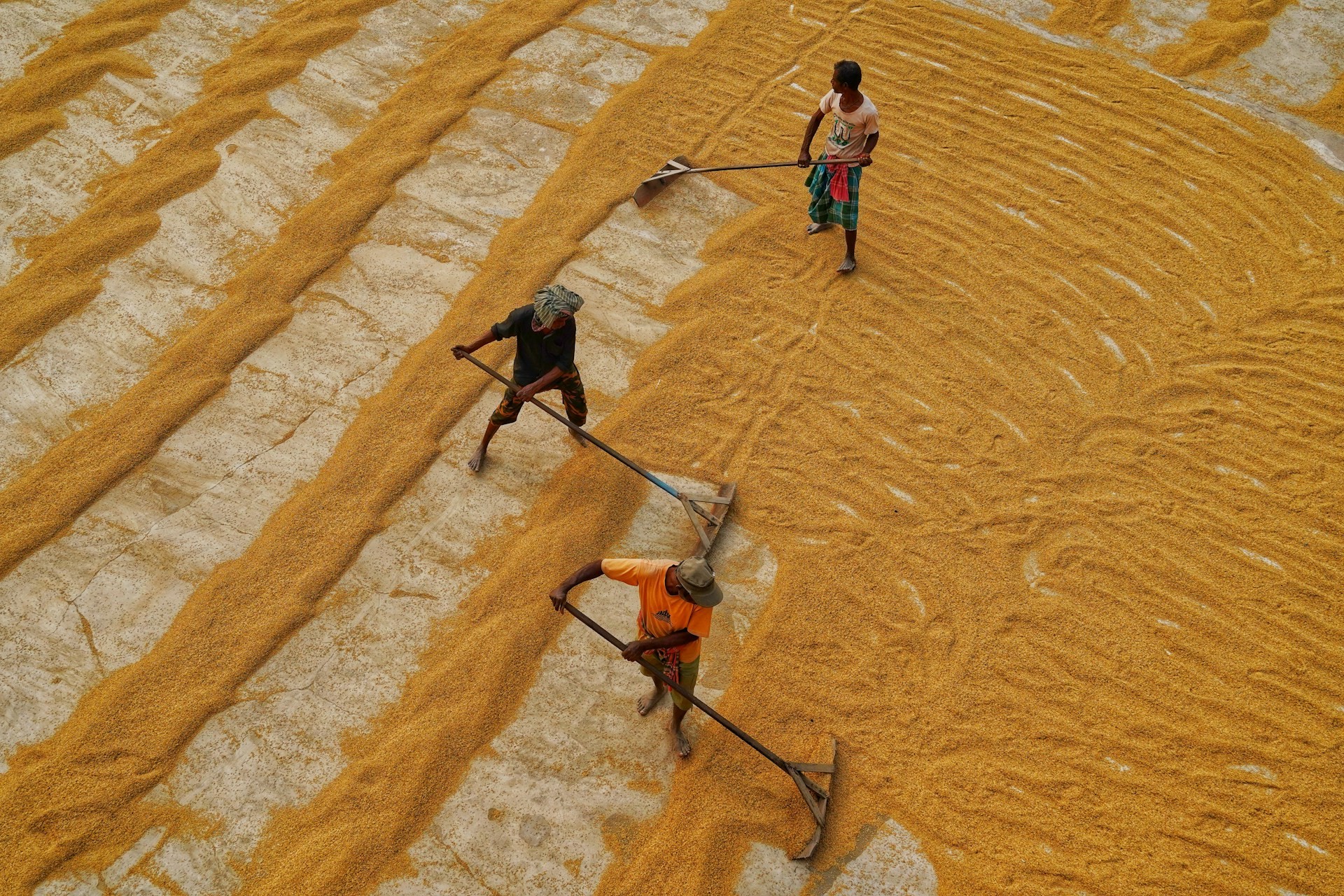

Rice imports surged sharply, rising to $682.4 million a jump from $25.4 million a year earlier as Bangladesh moved quickly to stabilise supplies after heavy crop losses, central bank data shows. Flood damage ruined harvests in several districts, and officials and traders imported rice to refill reserves and ease market pressure. This big increase is part of a wider shift in how the country buys food from abroad: total food grain imports went up, while some items like wheat saw lower spending compared with the previous year. Edible oil and pulses recorded strong rises in import bills, and milk imports also climbed, reflecting changing domestic demand and shortfalls in some local supplies. At the same time, sugar and some spices cost less to bring in than before, which balanced parts of the overall food bill. After a pause, rice shipments resumed through a key land port and small consignments arrived to help calm prices in towns and cities. The government also moved to allow duty-free imports of half a million tonnes of rice so buyers and markets could feel faster relief, and traders estimate these steps could shave a few taka less than the cost of one kilogram of rice. Taken together, the moves show authorities are using practical tools—targeted imports, duty relief and steady buying to protect shoppers and keep food available. For farmers and millers the picture is mixed: while some local production proved resilient, sudden weather shocks highlighted the risk smallholders face and pushed traders to seek supplies abroad. The food agency and extension services continued to monitor crops and storage to reduce spoilage and improve supply chains so that future losses are smaller. Industry leaders and market watchers say quick, clear action was needed because long waits for imports or slow port clearances can push prices up and hurt households. Analysts point out that using imports to stabilise markets must be paired with steps at home: better storage, faster repair of damaged roads and bridges that link fields to markets, and support for seed, irrigation and timely harvesting. Practical help for small traders and processors, such as finance and improved transport, can cut loss and keep food moving after floods. Looking ahead, officials expect trade and market tools to remain important while domestic production recovers, and they say a mix of short-term imports and longer-term investment in farming and storage will make the food system stronger and more reliable for consumers and growers alike.