

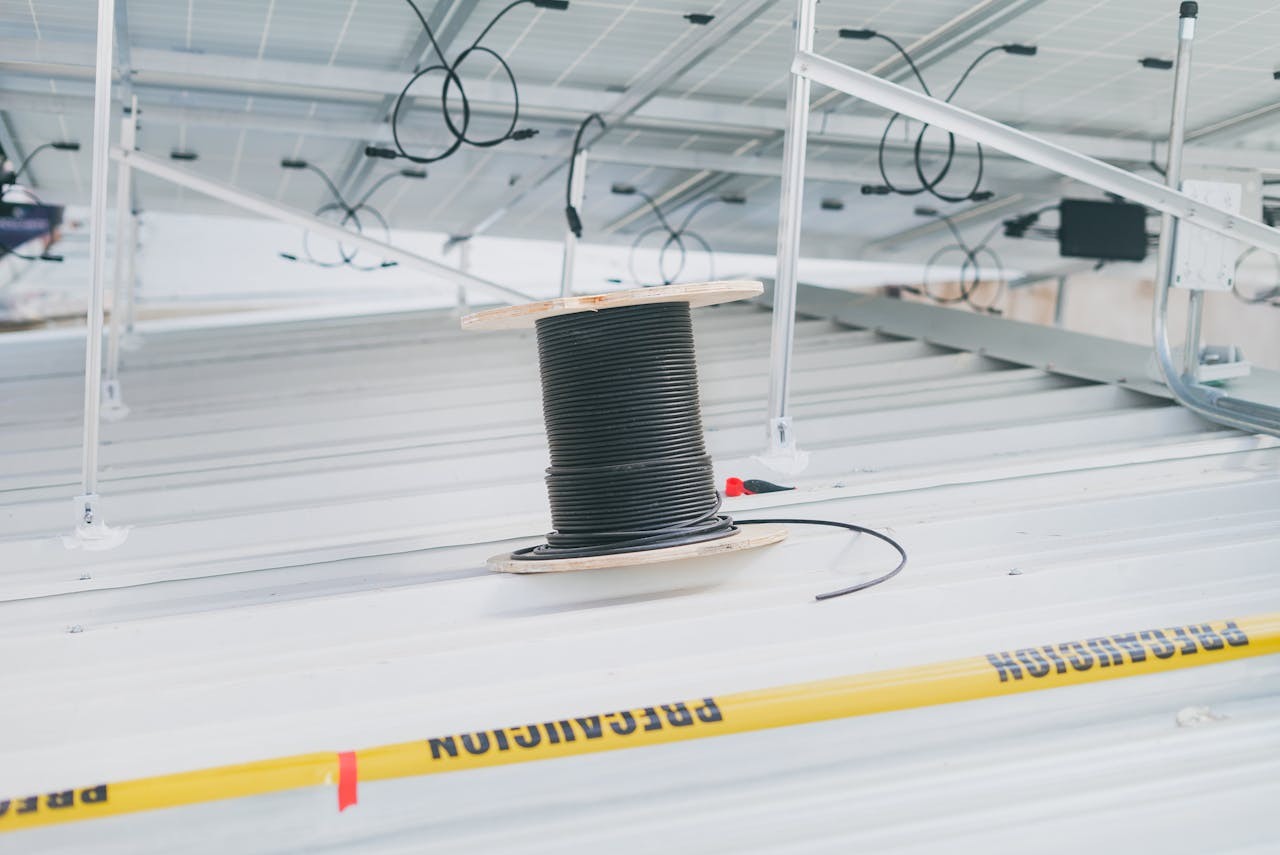

Bangladesh is stepping up efforts to modernise its cable and telecom industry after a high-level visit to Bangladesh Cable Shilpa Limited in Khulna where a senior technology official urged faster upgrades and clearer plans. Faiz Ahmad Taiyeb, the Special Assistant to the Chief Adviser at the Ministry of Posts, Telecommunications, and Information Technology, held a meeting with company executives and employees. He emphasized the need for local cable manufacturers to make changes. old equipment with newer technology, build better marketing and improve network planning so domestic firms can grow and serve more people. He flagged a big national goal for fiber expansion, noting the country aims for about 500,000 kilometres of fiber optic lines but currently has roughly 150,000 kilometres and that around three quarters of existing cables run overhead and are vulnerable in storms and disasters. To make the system more reliable he urged moving important links underground where possible and putting fragmented public and private cable networks under a single, managed plan so upgrades, testing and repairs become simpler and faster. The visit included talks with officials from the Hi-Tech Park Authority and stops at local telecom and postal offices, showing a practical push to link policy makers, local factories and service providers. Officials say a stronger domestic cable industry can lower costs for broadband, create local jobs in manufacturing and installation, and help schools, clinics and small businesses get steady internet service. Industry voices at the meeting welcomed the focus on new machinery, training and clearer marketing so Bangladeshi producers can compete for larger projects and supply national rollout plans. Practical steps discussed included factory device upgrades, pilot projects to bury fiber in high-risk areas, shared maintenance rules for all operators, and efforts to place more orders with local makers so plants reach a scale that cuts prices. Planners also stressed training technicians who can install and repair lines quickly after bad weather so outages are shorter and repair bills fall. By reducing the share of exposed overhead lines and coordinating networks into a unified system, planners expect fewer blackouts, faster recovery after storms, lower long-term costs and a stronger base for the country’s digital services. The clear, hands-on message from the Khulna meeting was to combine investment in new plant, unified network planning and practical skills and marketing support to unlock the large potential of the fiber business, protect communications from disaster risk and help the wider digital economy reach more people and places.