

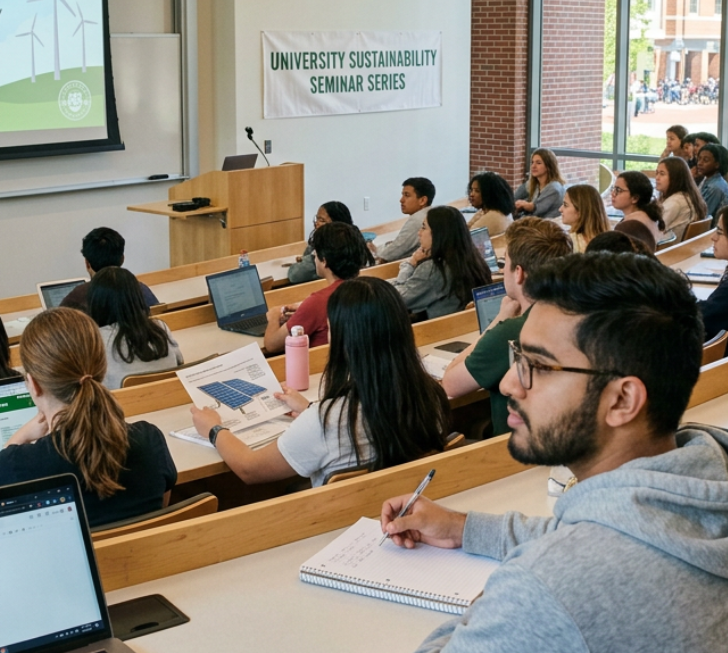

A lively symposium on sustainable technologies brought students, researchers and energy leaders together to explore practical steps toward a cleaner power system and clearer career paths for young engineers. The programme was organised by a military engineering institute with support from the national energy research council and opened with a forward-looking keynote that urged closer work between universities, industry and government so research can move into real projects faster. The chief guest set out a steady vision for growing renewable energy and stressed that good teamwork and practical research will speed up the transition away from fossil fuels. The institute’s senior leader spoke about energy security and said a steady supply of power is vital for lasting economic progress. A council member described the key policy moves and plans to widen energy choices, boost renewables and build skills so the country can use cleaner sources of power. The head of the electrical and communication department welcomed the chance to share research and said students are already working on useful projects in solar, storage and grid technology. A technical session gave five speakers time to explain new ideas and show where students can join research teams or start small projects that solve local problems. More than two hundred undergraduate and graduate students attended, along with faculty and industry guests, and the room was full of questions about how to learn the right skills, find internships and begin practical work. Speakers used clear examples to show how lab work can become real systems, how small pilot projects can teach big lessons, and how local trials of solar panels and smart energy systems can cut costs and create jobs. The talks also covered how to make sure energy services reach all places by training technicians and strengthening local systems so everyone benefits. Organisers highlighted ways that short courses, hands-on workshops and joint projects can prepare students for the kinds of tasks employers now need. They encouraged students to try small team projects, seek mentors in industry and learn both engineering and project planning skills. The session closed with a call to keep building links between campus labs and companies so fresh ideas have routes to scale. Attendees left feeling more confident about skills to study, projects to join and careers to aim for, and they welcomed the clear steps offered to turn research into practical energy work. The event was shared through official channels to reach a wider audience and organisers said they plan more events to keep students involved, help form partnerships and support a steady move to clean energy across communities. Future gatherings will include hands-on training, competitive project funding, and mentoring to turn classroom ideas into working systems and jobs.