

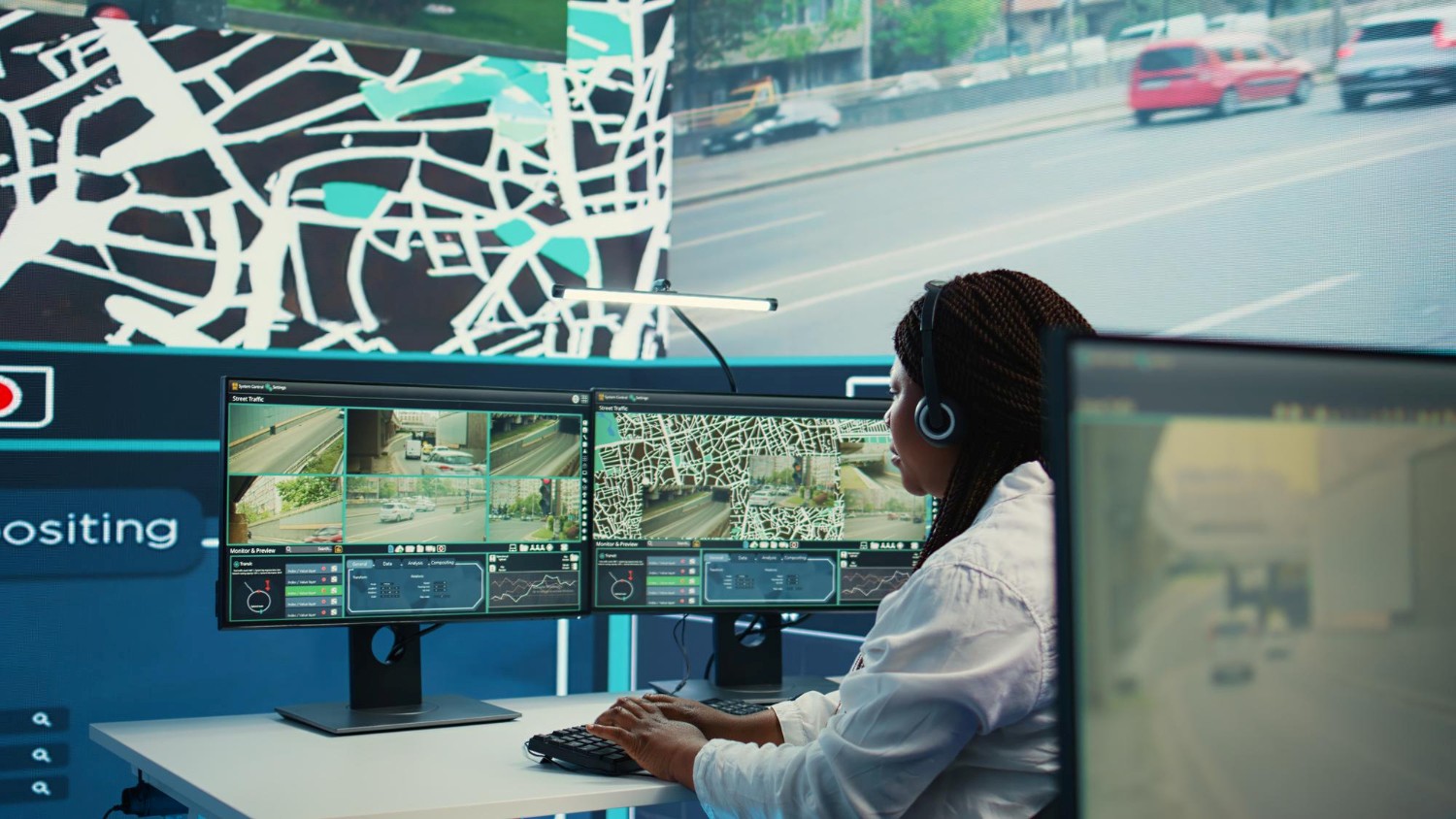

Korea and Bangladesh are joining forces to bring a smart traffic system to Bangladesh that aims to cut gridlock, reduce accidents and make daily travel easier for drivers, cyclists and pedestrians. The plan introduces connected traffic lights that change with traffic flow, smart cameras that spot slowdowns and risky driving, and a central traffic control centre where staff can watch roads, send help and change signals in real time. Drivers and commuters will get live travel updates through simple apps and message alerts so they can choose faster routes and avoid long jams. The system will link with emergency services so ambulances and fire crews can get green lights when they need them, helping save time when minutes matter. City engineers will use data from sensors and cameras to see where crashes often happen or where traffic piles up, and then fix problem spots with clearer signs, new lanes, or adjusted signal timing. A key part of the work is hands-on training for local transport teams so the new tools are run by people who know the city and can keep systems working every day. Technical teams will help set up the hardware and software and share skills so local technicians can repair equipment and manage the network long term. The project also plans to encourage safer road use with clear lanes for buses and bikes, timed crossings for pedestrians, and better rules for loading and parking so trucks and vans do not block busy roads during peak hours. By smoothing flows and cutting delays, shops and small businesses can get deliveries on time and workers can spend less time stuck on the road, which helps the wider economy. Reducing idle time for cars will also lower fuel use and pollution, so the scheme has environmental benefits as well as transport ones. The approach is practical: start with a pilot in busy parts of a city, learn what works, and then expand step by step so disruption is small and fixes are fast. Local leaders and transport experts say this kind of smart system can make streets safer, give families more time together, and help cities grow cleaner and more orderly. Citizens will still have human support through help desks and on-the-ground staff, and the plan keeps privacy in mind by using clear rules on how camera and travel data are handled. Over time the technology can add features like bus tracking, parking guidance, and traffic forecasts so the whole city can plan better. Officials hope that by working with external partners and training local teams, the new traffic system will become a local resource that makes travel smoother, saves lives, and supports business and cleaner air.