

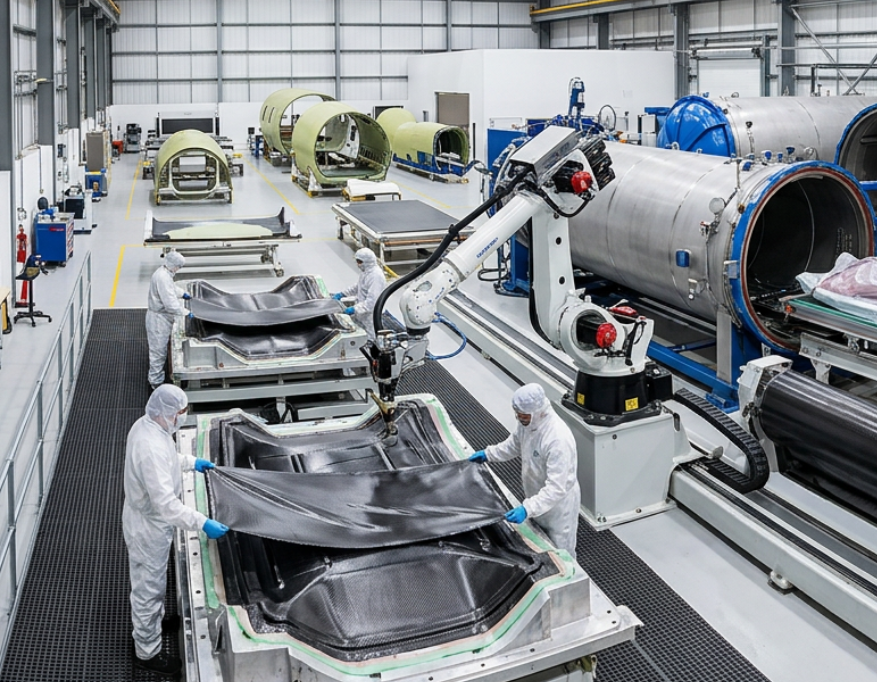

A new investment deal is set to boost local manufacturing and create many jobs after a private company signed to build a modern composite products plant in a Bangladesh economic zone. The initiative aims to create bathtubs, jacuzzis, and panel tanks utilizing fiber-reinforced polymer and similar products, as well as manufacture molds and patterns to facilitate the manufacturing process. The company plans to make 6,174 metric tons of these products each year, with most output aimed at shipbuilders and cruise firms overseas. Investors say the goods will be sold mainly to markets in the Gulf, opening a steady export route and adding value beyond raw materials. The proposed investment of US$ 10 million is expected to create about 906 jobs for local people, giving many young workers new chances in factory work and technical roles. The agreement was made by leasing land inside a government economic zone, and officials from the zone authority joined the signing to welcome the plan and offer facilitation. The authority said it will keep supporting the project with smooth services and clear rules so the factory can start quickly and run well. Leaders on both sides spoke about how moving into composite materials can help diversify industry away from a few traditional sectors and bring in higher value exports. Manufacturing these items locally can build supply chains that teach workers useful skills and keep more money in the local economy. The plant will also create demand for engineers, technicians and skilled makers, and it could prompt other firms to try product ideas that use modern materials. Organisers expect the plant to help local suppliers grow, to create training chances for young people, and to give small firms chances to serve a larger industry. Officials emphasised that matching practical training with factory needs will help workers take real roles and improve product quality over time. The move also shows how public support and private investment can work together to welcome new industries and guide them into exports and clean business practices. Those involved said they hope the venture will inspire more projects that add value, support jobs and make exports more varied. The news left a positive feeling among students, factory planners and local service firms that could win new contracts. Overall, the plan is a clear example of industry change that links smart investment with local skills, and it offers a model for how new factories can help grow jobs, exports and lasting business in communities. Leaders will work with technical institutes to offer apprenticeships so workers learn safety, machine use and quality checks. Local shops and transport will gain from steady work, and the project aims to follow good environmental practices as it grows and training.