

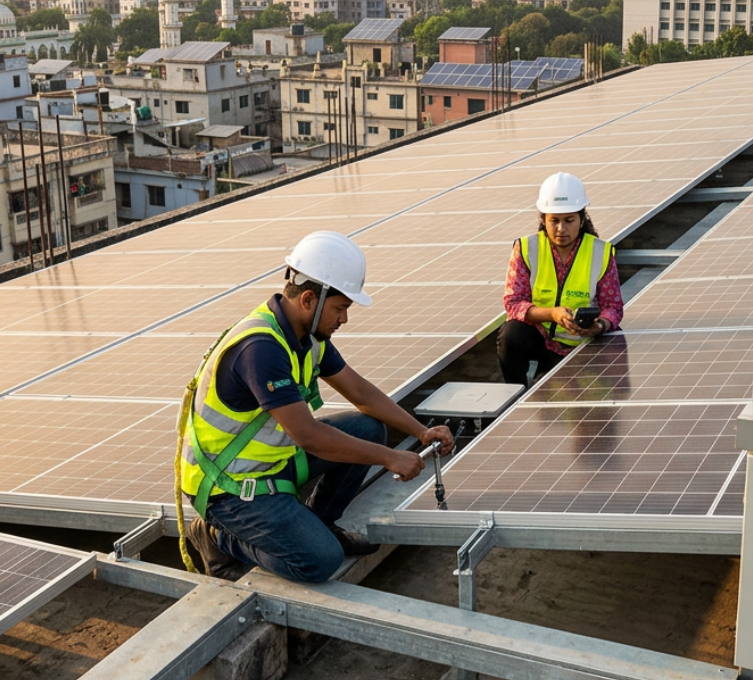

IEEFA has released a clear plan to speed Bangladesh’s move to renewable energy by offering practical steps that make clean power grow faster and cost less. The report says the country can cut fuel import bills and ease pressure on the grid by using more solar panels and battery storage for homes, factories and offices. It recommends lowering high import duties and simplifying finance for rooftop solar so schools, shops and small firms can install panels without long waits or heavy costs. The paper notes that a 1MW rooftop plant could save a large sum each year if duties and delays are reduced. To free land for utility-scale projects, it calls for mapping public land and using space inside economic zones as well as phased tenders for island char areas. The study highlights corporate power purchase agreements as a practical way for factories and firms to buy green power directly from new projects. IEEFA says the new merchant power rules can help bring private investment and let industries meet sustainability goals while easing the role of state procurement. The report points out that renewables remain a small part of the grid and that Bangladesh needs to add many megawatts each year to hit its 2030 target. It also warns that payment backlogs and high import bills strain the power sector and that cleaner energy can lower those costs over time. To speed action, the paper suggests a dedicated rooftop solar fund with single-stage approval to cut loan delays and attract smaller borrowers. Officials are asked to set clear wheeling charges and dispute rules so corporate deals can work smoothly and attract early projects. Small pilot projects, short courses and hands-on training are urged so students and local technicians can learn the skills to build and keep systems running. The report says a steady plan that links policy, finance and local training can turn research and testing into real sites across regions. By acting on these steps, the paper argues, Bangladesh can reduce import dependence, create jobs, lower bills and give families and firms more stable power. The tone is practical and positive, with a push to use existing tools and private interest to speed a fair and steady clean energy shift. The paper notes current renewable capacity is about 1,690.7 MW and that meeting the 2030 goal will require adding roughly 760 MW each year between 2026 and 2030. It gives an example that easing duties and speeding funds could save around Tk22.4 million per year for a 1MW rooftop plant by cutting fuel import costs. Overall, the report asks leaders to match clear rules with quick finance and hands-on training so projects can move from plan to reality now.