

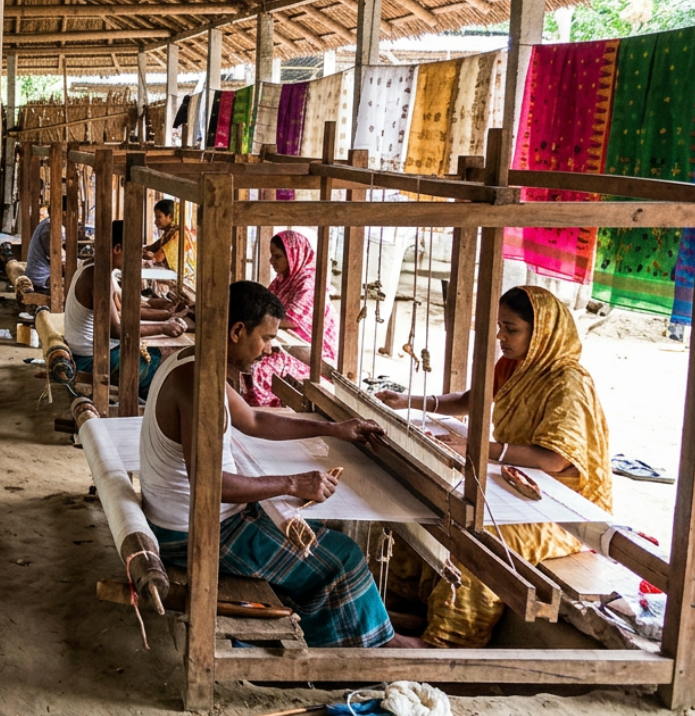

A local designer took jamdani and local silk to an international runway, turning a long-held craft into a modern fashion story that found buyers and new fans. What started as a small studio project grew into a brand that blends handwork with wearable design and careful planning. The designer began as an artist and later moved into fabric and dressmaking, keeping art at the heart of each new piece. Every garment used locally made jamdani, local silk and fine muslin, so weavers, tailors and small workshops stayed central to the work. She joined a small collective to reach a wider stage, and that link helped the collection reach buyers, models and stylists who valued the fabrics and hand detail. At the show, guests noticed that each outfit carried visible craft, and they praised the clothing for feeling fresh while remaining rooted in tradition. Her rule is simple: make pieces that last, can be worn in many ways, and that reward the craftspeople who make them. She also talked openly about real obstacles, from finding steady suppliers and workshop space to managing visas and travel for shows abroad. Still, the exposure led to orders and new contacts, and it made it clearer that traditional skills can connect with global markets when presented well. At their residence, the brand collaborates with skilled artisans who specialize in karchupi and groups focused on embroidery that incorporate delicate handcrafted elements. The company combines studio design with regional production. Those choices help keep prices fair for buyers while giving craft workers proper pay and recognition for slow, skilled work. Many shoppers now want to know the story behind a piece, so the brand adds labels that show where yarns came from, who wove the fabric and which workshop finished each seam. That transparency helped the collection stand out at a major fashion week where bubble hems, peplum tops and flowing skirts made the weave visible. Moving forward the plan is to make cuts lighter, standardize parts and train more local helpers so future builds can be faster and safer. Fashion teachers say the example shows how hands-on craft can turn into jobs and new businesses when designers learn to pair art with clear plans. Shop owners, small factories and material suppliers see a chance to link more closely with makers who can sell abroad, which can mean steadier orders for local towns. The main lesson is that craft and care can meet the global stage in a way that helps weavers, tailors and designers grow together with pride. She intends to organize additional workshops, provide minor funding, and collaborate with nearby vendors to enhance training efforts and sustain traditional crafts, all while creating consistent employment opportunities for youth and women in various areas globally.