

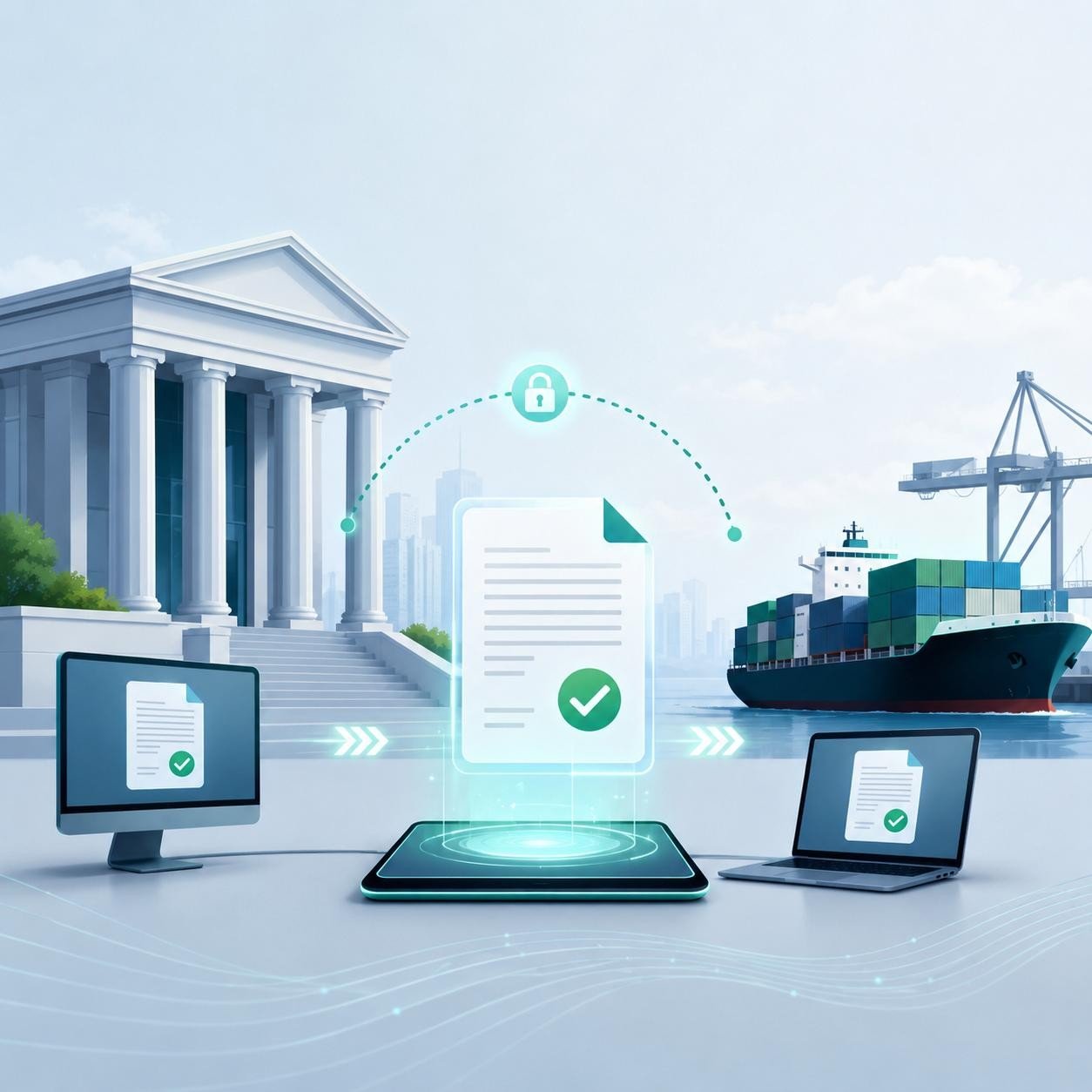

Bangladesh Bank has launched a pilot system for processing international trade documents digitally, a move that could make export and import banking faster, safer, and less dependent on paper. The framework allows approved banks to submit, send, receive, and verify trade documents electronically across selected international trade routes. It covers transactions handled through documentary collections and letters of credit, which are widely used to protect buyers and sellers in cross-border business. Under the pilot, electronic records can be accepted as reliable alternatives to traditional paper documents when legal and technical conditions are met. Important files may include commercial invoices, transport papers, and payment drafts. Moving these records online can reduce courier delays, repeated printing, manual checking, and the risk of documents being lost in transit. Exporters may receive decisions more quickly, while importers can track paperwork with greater ease. Banks may also improve efficiency by reviewing information through secure systems instead of moving physical files between branches, companies, and overseas partners. Security remains a major part of the plan. Participating systems must use encryption, strong identity checks, and clear audit trails so every action can be recorded and reviewed. The framework also stresses data privacy, compatibility between different technologies, and reliable verification without forcing all users to depend on one platform. Banks cannot join automatically. An authorised dealer bank must seek approval and explain which trade routes, foreign partners, transaction types, and technology arrangements it plans to use. This step allows the regulator to study risks and test the process in a controlled way. Paper documents may still be required when a country or business partner does not legally accept digital records. This flexible approach can help trade continue smoothly while different markets move toward electronic systems at different speeds. The pilot will be introduced in stages, and wider use will depend on its performance and regulatory review. Successful testing could bring major benefits to businesses, especially companies that handle large numbers of shipments. Faster document processing can improve cash flow, reduce administrative costs, and help goods move without unnecessary waiting. Small exporters may also benefit if banks provide simple digital tools and clear training. To succeed, the programme will need dependable internet service, skilled bank staff, strong cybersecurity, and cooperation with customs, shipping companies, insurers, and overseas banks. Businesses must also keep accurate digital records and protect customer information. The pilot is an important step toward modern trade finance. By replacing slow paper-based work with secure electronic processes, Bangladesh can make banking services more responsive and strengthen its connection with global supply chains. It can also improve transparency because authorised users can follow each document’s path, identify delays earlier, and resolve mistakes before they interrupt an important international shipment.