

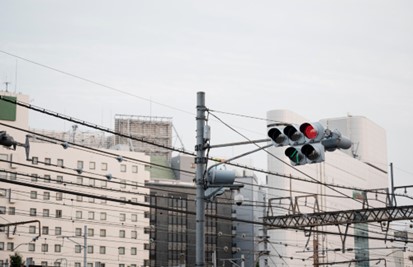

A pilot automated traffic signalling system was launched at seven busy crossings across Dhaka, marking the start of a gradual shift from manual traffic control to a smarter, local-technology system. The pilot is being coordinated by the city transport authority and will be guided by police officers at first so drivers and pedestrians can get used to the new signals. Students will also help officers by advising road users and handing out information at busy spots. The seven crossings chosen for the test sit along an important corridor that links the Shikkha Bhaban area to the airport and are part of a larger plan that covers twenty two intersections in the same stretch. At some sites drivers were already obeying the lights on the launch day, which officials say is a hopeful sign that people will quickly accept the change. Although the final aim is full automation, the system will run partly manually during the early weeks while officers monitor traffic from police boxes and step in when needed. The program uses technology developed locally, and experts from the engineering university offered advice and training to police teams so the system can be run and repaired here at home. The pilot was financed by the two city corporations and officials say a tender is being prepared to add more crossings after the test results are reviewed. During the trial, teams will hand out leaflets to pedestrians and drivers and short awareness messages will be shown on television to explain the new rules and timing. Authorities hope that clear signals, public information and a period of guided operation will make it easier for people to form safe habits and reduce traffic jams. Past efforts to make signals work in the city faced technical and practical problems, so planners aimed for a cautious approach that allows learning and local fixes. By combining local technology, expert advice and visible police guidance, the pilot seeks to avoid earlier faults while building confidence among road users. Smaller, steady steps can also help protect road safety by giving officers a chance to respond quickly if sensors or timing need adjustment. If the test proves successful, the same approach can be rolled out to more crossings along the corridor and beyond, which could cut waiting times at busy junctions and make daily travel smoother. The drive to modernize traffic control also creates chances for local businesses and technicians to maintain equipment, and for students to learn about traffic management through direct participation. Officials are optimistic that training, public outreach and local engineering will improve traffic flow, and once people are used to the lights the system can move to full automation and upkeep, and save people time.