

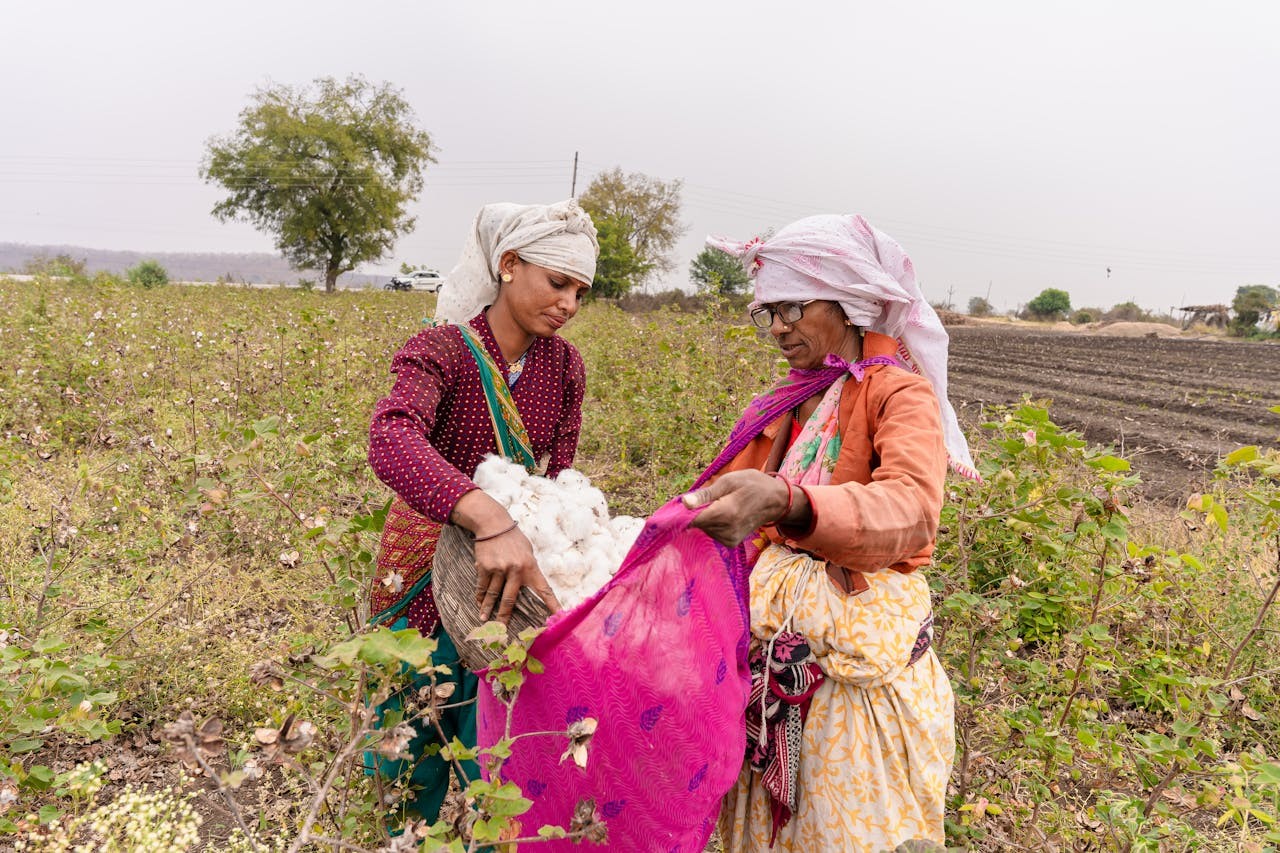

CottonConnect and the Cotton Development Board of Bangladesh have agreed to work together to raise the quality, sustainability and traceability of Bangladeshi cotton, a move that could help farmers earn more and give local mills a stronger raw material to use. The partnership aims to train growers in better farming methods, introduce practices that use less water and fewer chemicals, and set up systems that let cotton be tracked from field to factory so buyers can see where fibre comes from. That kind of traceability helps brands who want to buy cotton that is grown responsibly and can open new markets for farm families. The plan includes on-the-ground training for smallholders, testing and grading to lift fibre quality, and digital tools to record how cotton moves through the supply chain so that each bale can be linked to a farm or group of farms. For farmers this can mean clearer prices and a steadier route to market, and for spinners and garment makers it can reduce the need to import certain grades of cotton by making local supply more reliable. The partnership also looks to build climate resilience by teaching soil health, pest control and water-saving techniques so crops cope better with floods or dry spells. Improving quality and adding traceability can attract buyers who pay a premium for verified sustainable cotton, which in turn can help rural incomes and encourage investment in local ginning and finishing services. The project is designed to work with existing research and extension services so practices fit local conditions and can spread across cotton-growing areas. A key goal is to link small farm groups with textile factories and brands so that the whole chain benefits when farmers adopt better methods and when mills can source consistent fibre. Digital tracing and clear records also make it easier to show compliance with buyer rules or certification programs, which can speed up sales and reduce paperwork. If the work scales up, Bangladesh could see more of its own cotton used inside the large garment and textile industry, cutting costs and boosting local value addition. The initiative focuses on creating a helpful and collaborative approach: instruct farmers on techniques to improve their crop yields and the quality of fiber, utilize basic digital tools to monitor cotton bales, and establish connections with markets. so better cotton earns better prices. Such a method can benefit small farms, support factories, and provide brands with a clearer and more reliable supply of sustainable cotton that is cultivated and processed domestically.