

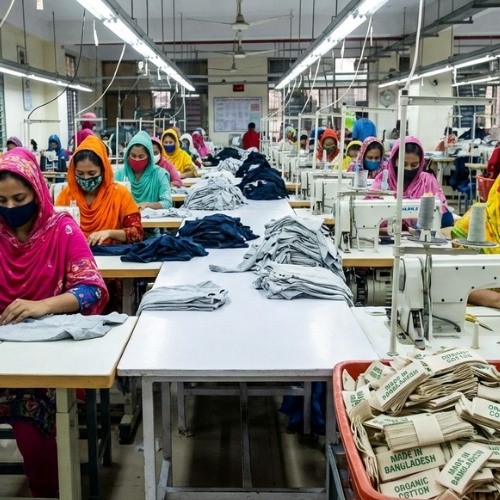

Bangladesh will get a new garment accessories plant after a Chinese company agreed to invest in an export zone, a move that could bring jobs and new skills to the local industry. Leaders Label Material (Bangladesh) Co Ltd, the Bangladeshi arm of Huzhou Lingxian Silk Ribbon Co Ltd from Zhejiang province in China, has signed a land sublease with the Bangladesh Special Economic Zone to build a modern unit that will make tags, labels and RFID products for apparel brands. BEZA officials say the investment will be between US $15 million and US $20 million and that the project will use about one hectare, or ten thousand square metres, of land inside the Araihazar export-focused zone in Narayanganj. The new facility will be the company’s first production site in Bangladesh and construction is expected to begin in the second quarter of 2026, which should give local suppliers time to prepare for new orders and partnerships. Local officials welcome the deal and say the plant will help transfer manufacturing know-how while creating steady jobs for skilled and semi-skilled workers. Industry analysts add that the move fits a wider pattern of more overseas firms choosing Bangladesh for apparel and accessories work as global brands look to spread production across low-cost but capable locations. By bringing label and RFID making closer to garment factories, the project can cut time for shipments, reduce transport costs and add value inside the country instead of importing parts. Smaller makers and accessory firms may also benefit when they can sell to a nearby buyer or learn new quality standards and safety practices. Authorities say the special economic zone has modern infrastructure and clear export links, and they promise to help fast track permits and utility connections so the factory can open on schedule. To make the most of the investment, local businesses will need help with training, equipment upgrades and access to finance so they can meet the quality and delivery needs of global buyers. Development partners, buyers and trade groups can support quick training programs and simple loan schemes that help small suppliers grow alongside the new plant. The project also shows a chance to build a stronger accessories supply chain that fills more of the apparel value chain inside Bangladesh, which can help local makers win more business and protect jobs. Overall, the investment is a positive sign that Bangladesh’s export zones can attract foreign money and new skills, and it points to practical steps – training, better finance and smooth permits – that local leaders and companies can take to turn the new plant into steady work and wider growth across the textile and apparel sector. Many workers and factories stand to gain today.