

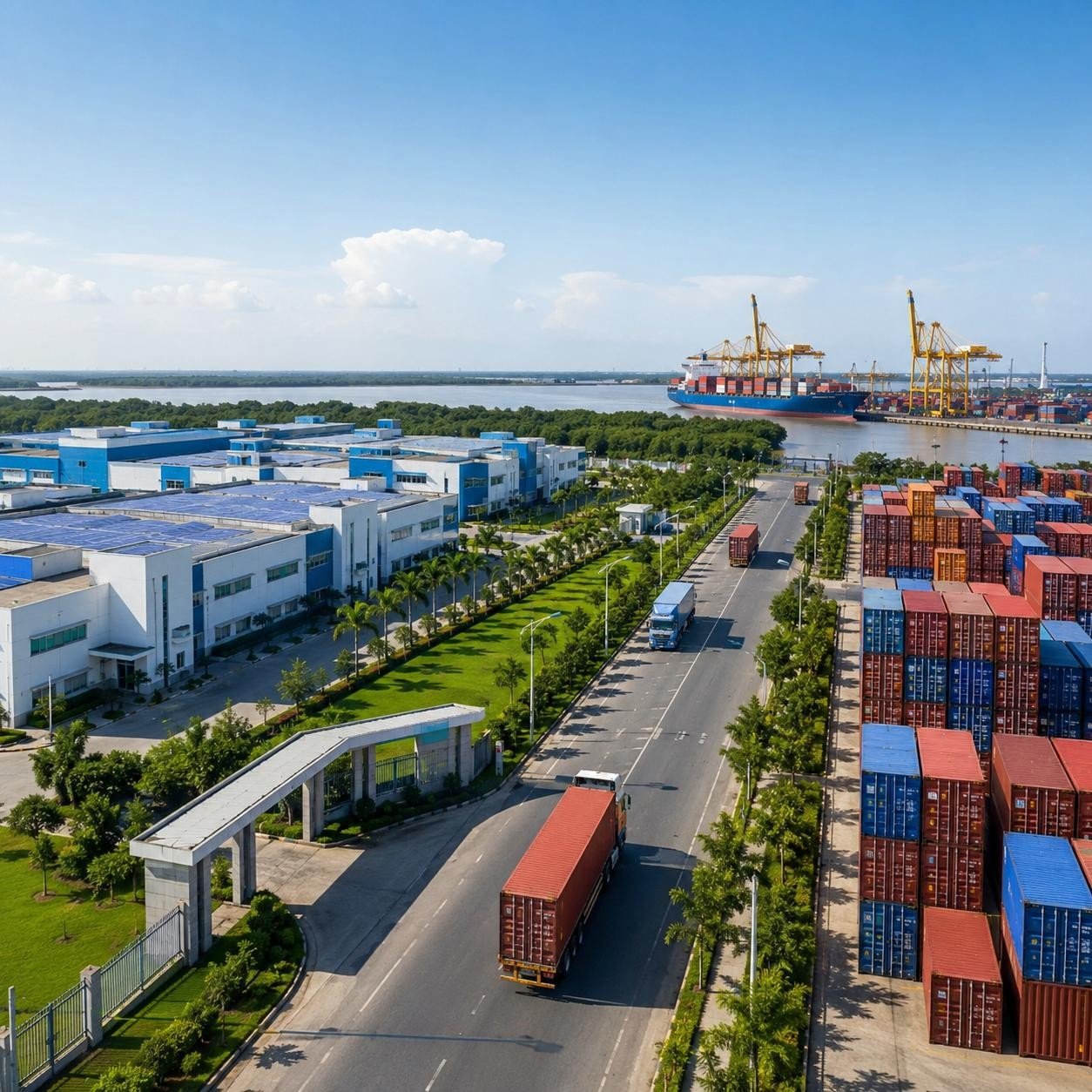

Bangladesh’s export processing zones delivered about $8.41 billion in exports and contributed 17.51 percent of the country’s total export earnings, showing their important role in industrial growth, jobs, and global trade. Exports from the zones increased by 2.2 percent even as the country’s overall exports declined slightly. This steady performance highlights the strength of factories operating under the Bangladesh Export Processing Zones Authority and their ability to serve international buyers during challenging market conditions. The zones also attracted a record $717.71 million in proposed investment through agreements with 36 companies from Bangladesh and several overseas markets. These planned businesses are expected to create 75,744 jobs when they begin full commercial operations. The projects cover a wide range of products, including electronics, drones, Bluetooth headphones, footwear, leather goods, processed food, agricultural goods, household items, camping equipment, light engineering products, and fashion accessories. This variety is valuable because it reduces heavy dependence on one export sector and creates opportunities for workers with different skills. Existing industries also continued to expand. Actual investment reached $286.46 million through machinery, buildings, construction materials, and other business assets. Net foreign direct investment flowing into the zones accounted for a notable share of the country’s total during the first nine months of the financial year. Employment reached a new high after 25,164 jobs were added, raising the total number of workers in the zones to 558,691. These jobs support families and also create demand for transport, food, housing, banking, packaging, maintenance, and other local services. The industrial base has become more diverse. Among the 451 enterprises currently operating, garments account for about one-third, while accessories and textiles form another important share. The remaining factories produce many other goods. Products from the zones now reach 129 countries, giving Bangladesh a broad global customer network. The authority operates eight export processing zones and one economic zone, with more factories under development. Continued growth will depend on reliable energy, faster customs services, skilled workers, safe workplaces, efficient ports, and clear investment rules. Environmental care will also be important as new industries begin production. Factories can save money and protect communities by reducing waste, reusing water, and improving energy efficiency. The latest results show that well-managed industrial zones can bring together land, infrastructure, services, and export support in one place. They can help investors start projects more smoothly while giving local workers access to formal employment. By encouraging diversified manufacturing and responsible investment, Bangladesh’s export zones can continue strengthening national exports and building a more balanced industrial economy. Stronger links with universities and training centres can prepare more workers for newer industries, while faster digital services can make licensing, customs, and business reporting easier for both local and foreign investors too.