

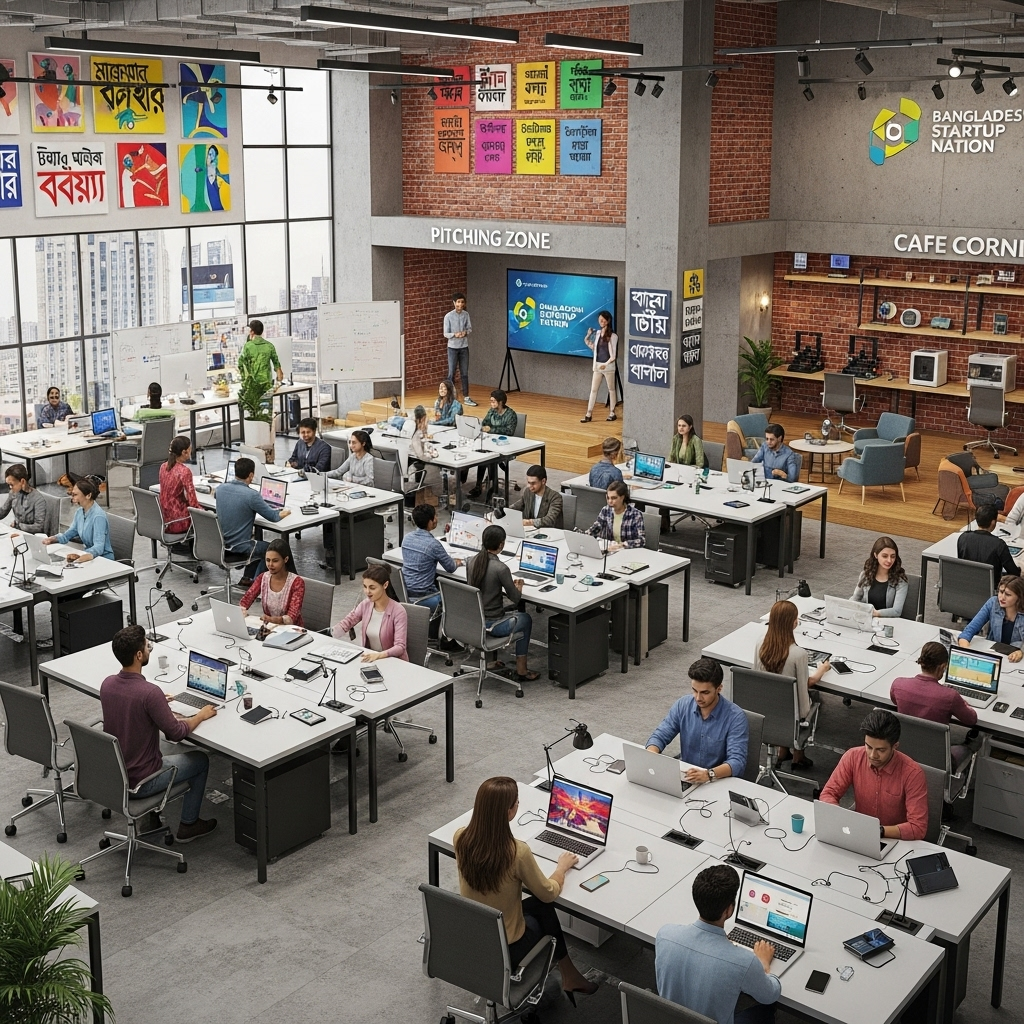

Picture a vibrant wave of fresh ideas sweeping through bustling streets and quiet villages, where young minds in Bangladesh are turning everyday problems into clever solutions that could light up the whole region—that’s the exciting possibility unfolding as the country eyes its spot as South Asia’s next startup powerhouse, fueled by a tech-savvy crowd ready to build the future. With more than six in ten people under 35 and over 130 million folks tapping into mobile internet every day, the stage is set for entrepreneurs to dream big in areas like quick money apps and online shopping that make life simpler for millions. Companies like bKash, which helps people send cash with just a phone, Pathao, zipping riders and deliveries across town, and ShopUp, linking small shops to bigger markets, are already pulling in fresh funds from excited backers, showing how homegrown smarts can grow fast and create jobs that stick around. These wins aren’t just lucky breaks; they’re proof that when bright sparks get a nudge, they can tackle real hurdles like busy payment lines or far-off suppliers, all while keeping costs low and ideas flowing freely. Sure, building this scene takes work—things like too many rules that slow things down, tricky ways to move money across borders, and spots outside the main city needing better roads and power to join the fun—but the good stuff shines brighter, from a huge home crowd eager for new tools to smart changes that welcome outside helpers without the fuss. Folks in charge have kicked off helpful spots like Startup Bangladesh and cozy hubs for tech dreamers, giving starters the know-how and space to test wings without big risks. Imagine teams in Chittagong or Sylhet whipping up apps that fix local floods or farm woes, then sharing them with neighbors in India or Vietnam, weaving everyone closer in a web of shared wins. This isn’t about chasing trends; it’s about using what’s already strong—a mix of grit, cheap setups, and folks who love tinkering—to draw more cheerleaders who see the value in backing bold tries. As these groups chat and swap tips, the ripple hits everyone: kids learning code in school, families with steadier cash from side gigs, and towns buzzing with new eateries or gadget shops born from wild notions. The key? Keeping doors open with easy steps, solid links, and cheers for those first shaky steps, turning “what if” into “watch this.” With eyes on blending local flavor with global reach, Bangladesh’s startup story feels like a gentle climb toward steady highs, where every app launched or deal sealed plants seeds for tomorrow’s helpers. It’s a reminder that when a place bets on its own spark, the glow can warm not just one corner but a whole neighborhood, inviting all to pull up a chair and join the build.