

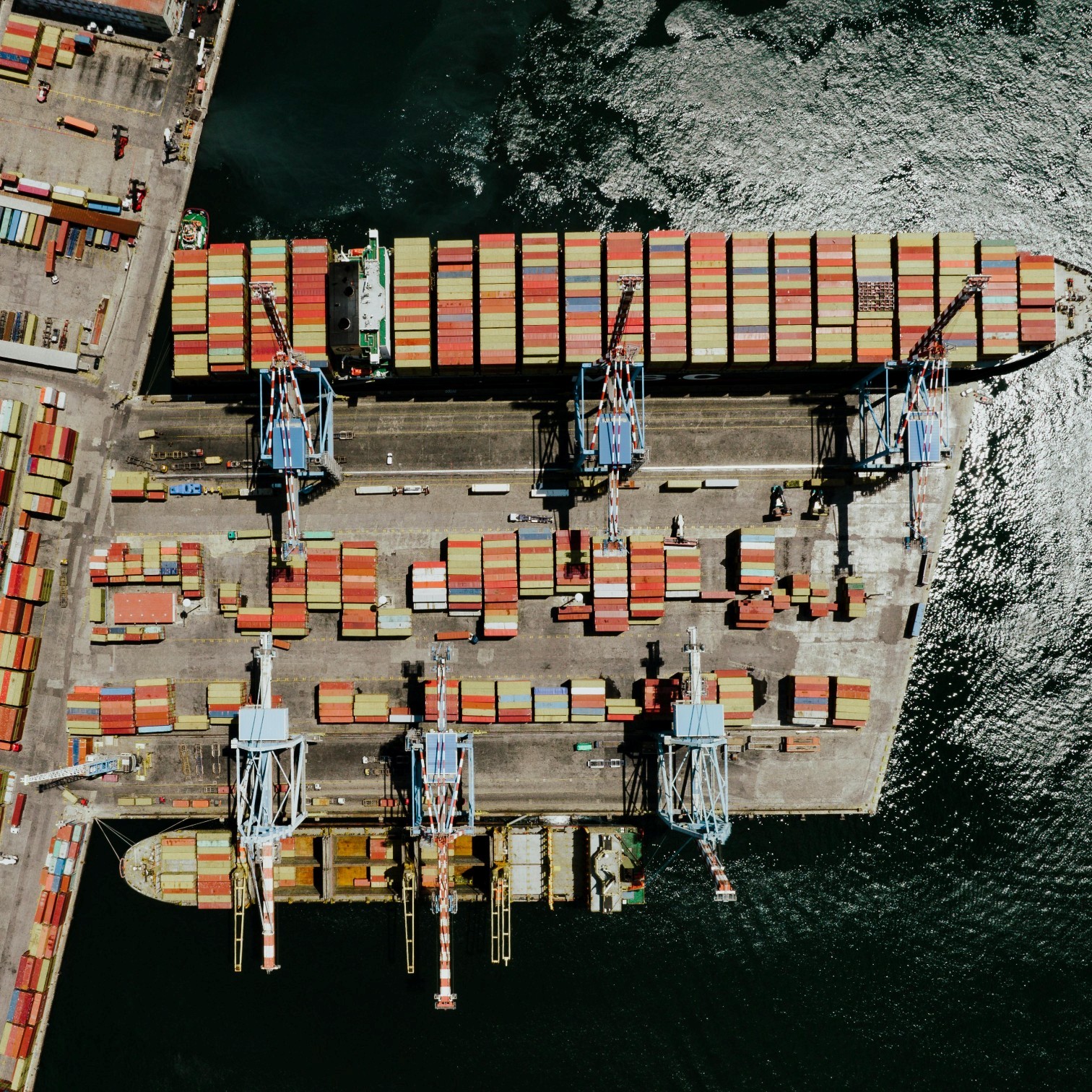

Bangladesh has a big chance to turn its geography and hard-won gains into steady progress. When remittances, strong garment exports, and a wave of new infrastructure caused growth to keep moving, leaders gained fresh room to plan the next steps. To make those gains last, Bangladesh can use its geo-economic edge — a long coastline on the Bay of Bengal, ports close to key sea routes, and a spot between South and Southeast Asia — to link people, goods and markets more cheaply and reliably. That means upgrading ports so larger ships can call, improving roads and rail to speed freight to factories and markets, and using rivers as low-cost channels to move cargo. Better ports and smoother transport cut time and cost, which helps exporters compete and helps firms bring in parts to make more varied products. At the same time, policies should speed digital links and energy supply so factories, farms and shops can work without long outages or delays. Skilled workers are needed too, so investing in training and technical education will help young people get steady jobs and help firms move up global value chains. Bangladesh can push for trade deals and regional transport pacts that open markets to local goods and draw investment into factories, ports and logistics. Building a stronger green and blue economy will also pay off: climate-smart ports, renewable energy and sustainable fishing can protect jobs while guarding coastlines and river areas from big storms and floods. Financial tools like green bonds, public–private partnerships and simpler rules for small loans would help entrepreneurs grow without long waits for capital. Women should be at the heart of these plans; when women earn and run businesses, families and communities do better. Cities need better services and cleaner transport so workers can live near jobs without long commutes. At the same time, smaller towns and rural areas need links to markets and finance so farmers and small factories can sell beyond local borders. Using remittances to fund training, local projects and small firms can turn money sent home into long-term opportunity. Strong economic diplomacy can help secure fair market access and steady investment flows, while clear rules and less red tape will keep firms from losing time to bureaucracy. All these steps point toward an economy that grows in a way that is fair and lasting. If Bangladesh keeps building ports, power, digital links and skills while protecting the environment and widening who benefits, its location will not just be a map point but a real advantage that helps people find steady work and better lives. Support for youth startups, local research and STEM hubs will boost innovation and higher-paying jobs across the country today.