

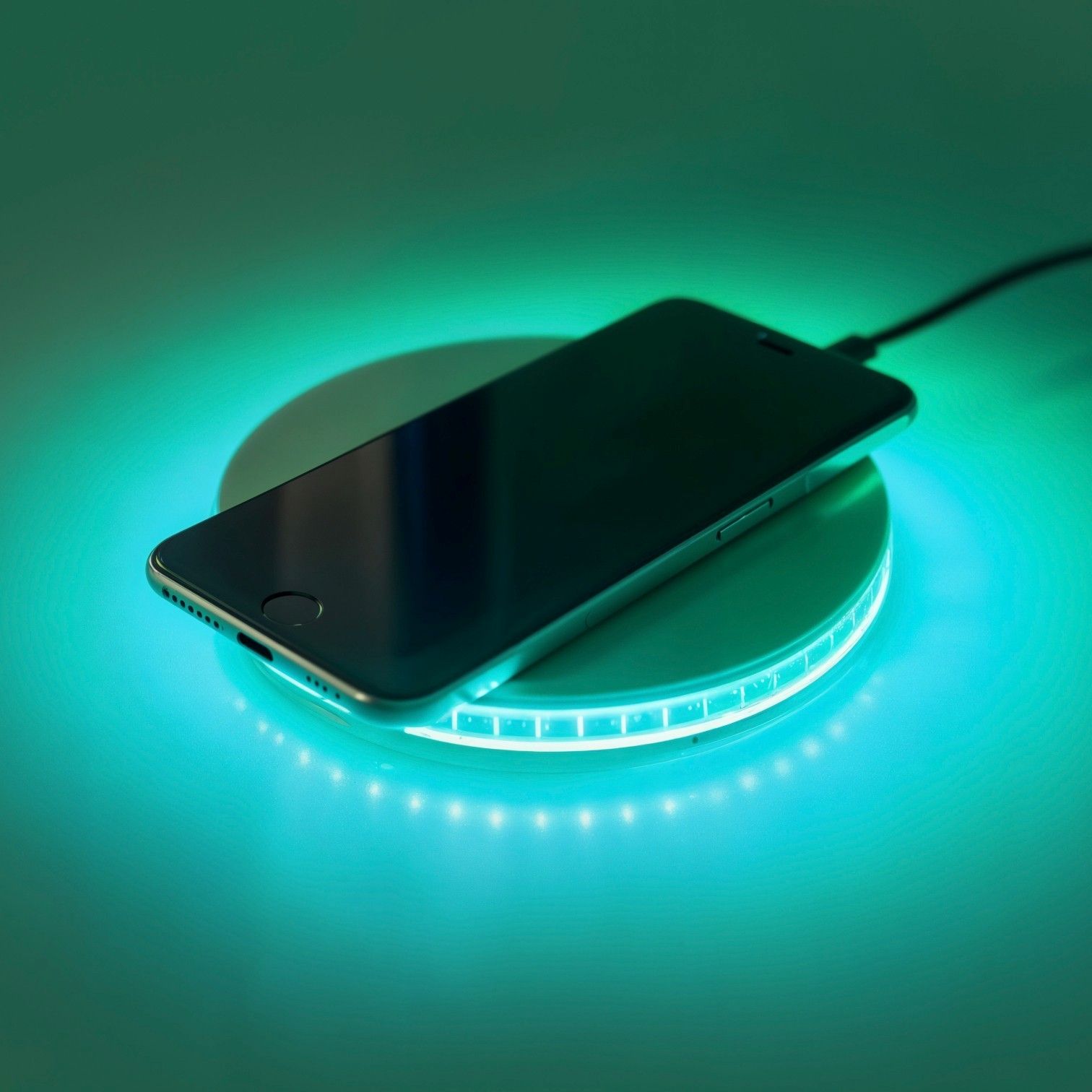

A Bangladeshi researcher has unveiled the Smart Power Box, a new device that can charge many electronic gadgets simultaneously inside a three dimensional space, and this could change how people power devices at home. Dr Saidul Alam Chowdhury, a research fellow at the University of Auckland, leads the project and received a competitive grant to advance the research. The Smart Power Box works unlike regular wireless pads because gadgets do not have to be placed in one precise spot; the system charges devices from any angle and any orientation within its space. The design uses a resonant coil system with intelligent inverter control and automatic adjustments for temperature and frequency so charging works smoothly. A multi device detection system lets the box find and power more than one item at once, which can save time and reduce the need for many chargers and cables. The team says the device complies with electromagnetic field safety standards which answers a common worry about wireless power technologies. The work began with a small prototype and grew into lab tests where the team refined coil layouts and measured performance on phones and small electrical devices. Research outputs include two United States patents and a set of published papers in international engineering journals, which show steady progress and technical depth. Dr Saidul explains he wants power to be as simple as Wi Fi, so people do not have to fuss with cords, adapters or exact placement when they charge their items daily. Challenges remain, including how far the power can travel, how to keep energy use efficient, how to cut interference and how to lower production costs for buyers. To meet these challenges the team is testing new coil shapes, improving control software and working on cooling plans to prevent overheating during long charge cycles. The researchers plan to partner with industry so the Smart Power Box can move from lab to shops, and they see uses both for homes and for factories that need safer, simpler power for tools and sensors. Smaller businesses and startups could benefit if the box lowers wiring costs and keeps spaces tidy and safer from tangled cords, while makers may develop compatible device designs. The project is also expected to create training work for engineers and technicians who will build, test and maintain the systems, helping local skills grow. Dr Saidul, who is originally from Chattogram and trained at CUET before winning scholarships to study overseas, encourages young scientists to keep patience, curiosity and steady effort. The Smart Power Box work shows how careful study, small grants and teamwork can bring practical solutions that ease daily life and open new chances for jobs, local industry and cleaner spaces.