

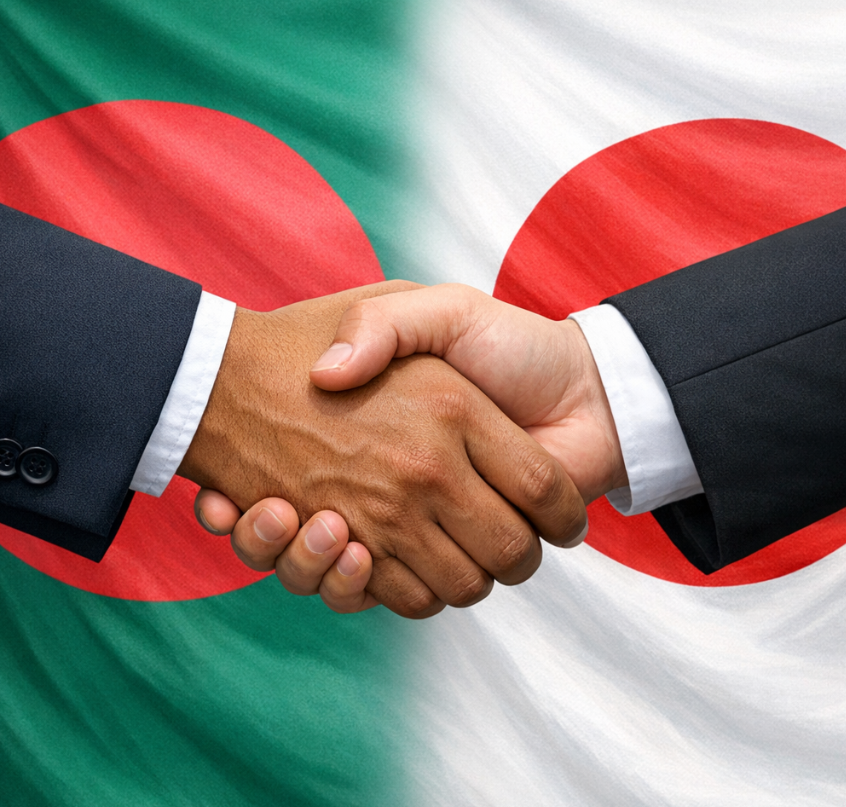

The new economic partnership agreement between Bangladesh and Japan is set to give a strong push to the country’s apparel exports, with garment makers saying it could open the door to much higher sales and fresh long term investment. Under the deal, garments made in Bangladesh will keep duty free access to the Japanese market even after the country leaves the least developed country group, easing worries that higher taxes would make clothes more expensive and less attractive to buyers. A key point is that Japan has agreed to allow simple “single stage” processing rules, which means factories in Bangladesh can still source many types of fabric from abroad and qualify for duty free entry as long as the main sewing and finishing are done at home. This mix of lower tariffs and flexible sourcing gives producers more room to choose the best materials, control costs, and move into higher value items such as man made fibre fabrics, outdoor wear, and more complex designs. Industry leaders point out that Japan is already one of the largest clothing importers in the world, but it still takes only a small share of Bangladesh’s total garment exports, so there is clear space to grow. They believe the new agreement could help raise that share sharply over the next decade and support the wider goal of reaching a much larger export target for apparel. The deal is also expected to reduce the trade gap between the two countries by encouraging Japanese buyers, retailers, and machinery makers to work more closely with local firms through long term orders, joint ventures, and new service centres. Supporters say this is not just a trade paper, but a tool that can bring in modern technology, better management, and higher skills for workers, helping factories climb up the value chain instead of staying stuck in basic products. At the same time, the agreement sends a signal that Bangladesh is serious about preparing for life after special trade preferences, using direct deals with key partners to keep access stable and predictable. Experts and business groups now stress that the next step must be a clear national roadmap so companies know how to fully use the new rules, from improving logistics and port services to investing in design, compliance, and greener production. They argue that training in product development, faster customs clearance, and stronger marketing in Japanese cities will be just as important as the duty cut itself. If government agencies, trade bodies, and factory owners can work together on these tasks, the economic partnership with Japan could turn into a powerful engine for better jobs, higher foreign income, and deeper ties between the two economies for many years to come.