

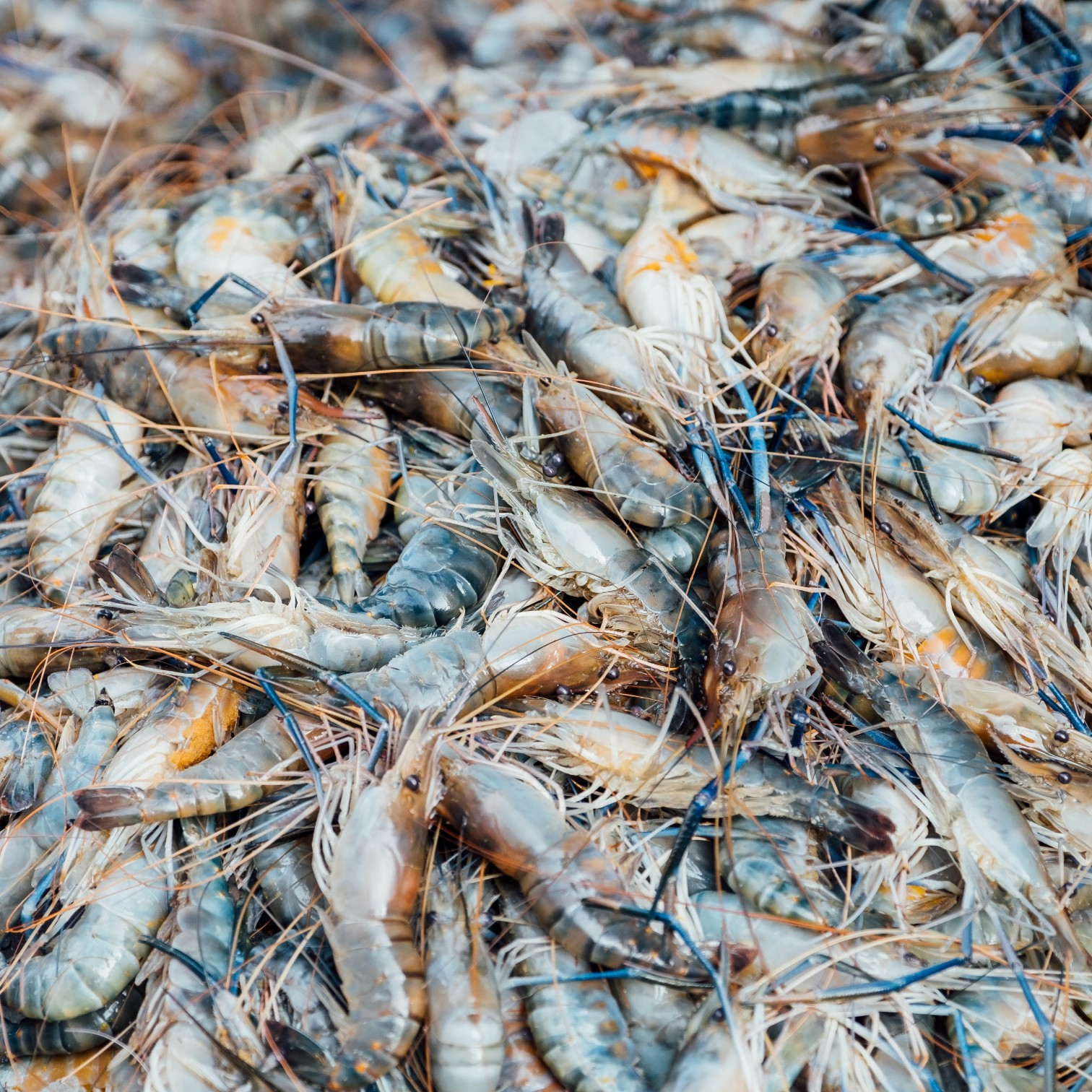

Bangladesh’s shrimp industry could grow into a $5 billion export sector within five years if it gets clearer rules and better support, industry leaders say, and this possibility is leading farmers, exporters and officials to discuss practical steps. Shrimp used to be a major earner, bringing in about $529 million in 2015-16, but exports fell sharply after that and, even with a 19 percent rise in 2024-25, they remain well below past highs and under $300 million today. Scientists and trade experts say the main problems are simple to describe and possible to fix: disease control, correct drug use, better monitoring of farms, and safer processing. Professor Asif Wares Newaz of Sher-e-Bangla Agricultural University warned that improper use of antibiotics, outbreaks like White Spot Disease, and practices such as jelly-pushing have hurt the country’s reputation. He said many farmers are outside monitoring systems, so detecting disease early and keeping records are key. Traders note that some markets Bangladesh once supplied, like Belgium, are now mostly buying from India, the Netherlands and Vietnam. India alone sends nearly one hundred million dollars of shrimp to that market while Bangladesh’s share is much smaller. Industry leaders think Bangladesh has real advantages, including large areas of farming land, but say farms must shift to higher-yield species and modern methods. SK Kamrul Alam of the Bangladesh Frozen Food Exporters Association points out that India produces far more by growing vannamei, or whiteleg shrimp, widely, and that Bangladesh won approval to produce vannamei years ago but has not yet begun major exports. He and others say scaling up vannamei farming, alongside strict disease checks, quality controls and better cold chains, could open big gains and help reach a five billion dollar goal by 2030. Practical steps being discussed include training for farmers on hygiene and drug use, stronger local monitoring and certification, investment in processing plants that meet overseas rules, and government incentives to support new farms and cold storage. Private companies and exporters are also looking at partnerships to train farmers, add value at the processing stage, and win new buyers by showing safer, traceable supplies. If these ideas move forward, the shrimp sector could bring more jobs in coastal areas and steady foreign income for the country. Farmers can also adopt simple steps like testing water, keeping ponds clean, and using approved feed. Exporters want clear labels and steady cold storage to keep shrimp fresh. Training and small loans could help many coastal families start safer, profitable shrimp farms. Many stakeholders say the change will take focused work, but they are hopeful that clear rules, better farm monitoring, and common standards can revive the industry and attract fresh investment. The outlook looks cautiously optimistic.