

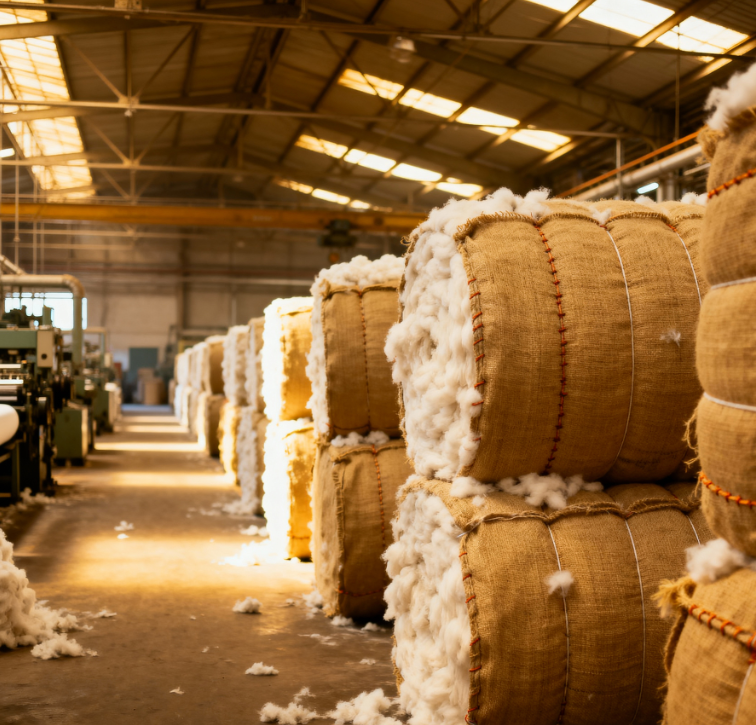

Bangladesh and Afghanistan moved a step closer to new textile ties when Afghan officials proposed duty-free cotton access for Bangladesh’s mills during talks in Dhaka, offering both countries a fresh chance to boost trade and cooperation. The proposal suggested that Afghan cotton could enter Bangladesh without import duties, while Afghanistan also expressed interest in easier access to Bangladeshi industrial products, including ready-made garments and pharmaceuticals, creating a two-way idea that businesses say could be helpful. Textile makers in Bangladesh often need steady supplies of cotton, and duty-free access from a nearby supplier could lower costs, shorten shipping time, and make planning simpler for factories. Afghan representatives stated their intention to market cotton along with certain dried fruits and spices in Bangladesh, viewing the nation as a potential outlet for their agricultural products. Meanwhile, the Bangladeshi sector can provide textiles, ready-to-wear garments, and pharmaceuticals that align with the requirements of Afghanistan. Trade officials described the talks as a chance to explore practical steps like streamlined paperwork, clear rules for product quality, and pilot shipments to test how the plan would work in real life. Buyers and exporters welcomed the idea of easier cotton flows because small and medium factories would especially benefit from lower input costs and quicker delivery times. A duty-free arrangement could also encourage joint projects, such as trial shipments, shared warehouses, and longer business ties between suppliers and brands. Business leaders said they want to make sure any new trade steps follow clear standards for product safety and traceability, and that they are set up to help workers and the environment while keeping prices competitive. Observers pointed out that simple, fair rules and reliable logistics are key to turning a proposal into regular trade. For Afghan sellers, access to a large textile market means new buyers for crops and local products. For Bangladeshi firms, a nearby cotton source can lower costs and add flexibility when global supplies tighten. Several exporters said the discussions showed positive intent and that practical follow up, like sample deliveries and meetings between buyers and sellers, would be the next move to test the idea. If both sides agree on pilot steps, companies could quickly try small shipments and check quality and timing before committing to bigger orders. Overall, industry voices said the proposal offers a promising way to widen regional trade, make supply chains more resilient, and create new business links that help firms of all sizes grow while keeping an eye on quality, compliance and steady supply. Many hope the talks will lead to clear actions that support trade and jobs without creating extra complexity for firms already focused on production and export. Both governments and industry groups say they will work together to move this forward.