

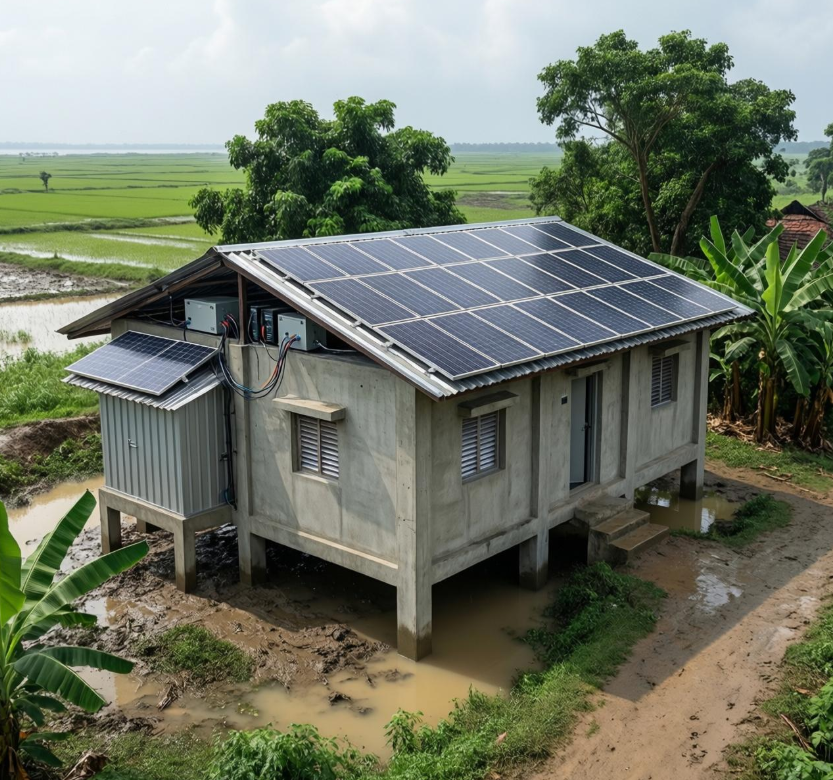

Bangladesh has started construction of the first Adaptation Fortress in Satkhira by turning a cyclone shelter and school into a cool, solar powered community hub that will protect people during heatwaves and storms. The pilot shows how local buildings people already trust can be upgraded with clean power and water systems to meet new climate threats. The site at Baradal Aftab Uddin Collegiate School will get solar panels, battery backup, rainwater harvesting and systems to run fans and air conditioning so the space stays safe when heat strikes. A second pilot site will be at Satbaria High School in Jashore so designers can test the approach in different local conditions. The work is led by the Jameel Observatory–CREWSnet, a partnership cofounded by MIT and Community Jameel that brings scientists, local experts and humanitarian groups together. Designers used climate projections and local studies to shape the upgrades so the shelters match real needs and fit community life. The pilot will be checked during the hot season using local weather data, energy meters, operational feedback and simple community surveys to measure how well the fortress cools people and how easy it is to run. The shelters will also hold saved rainwater and offer shaded seats and clean rooms for older people, children and families during extreme heat. Local health workers can use the cool space and backup power for basic care in emergencies, which helps clinics that face power cuts during storms. Students will still use the buildings for school because the upgrades are designed to fit normal timetables and improve learning when the weather is hot. Partners will support training so school committees and local technicians can maintain the systems long term. The project aims to keep costs low by using existing buildings and simple local technology. If the pilot proves effective the team hopes to scale to as many as one thousand two hundred and fifty Adaptation Fortresses, which could reach about half a million people in the southwest region. Scaling will use a clear checklist, phased funding and demonstration sites so towns can copy the steps without delays. Funders are testing blended finance models that mix small grants with local budgets so smaller communities can afford short upgrades first and add features over time. The approach also plans spare part stores, clear maintenance guides and technician training so systems stay reliable after installation. Local leaders welcomed the idea because it uses familiar places and hands-on training, which helps communities accept and run the shelters quickly. The Adaptation Fortress mixes practical engineering with local knowledge so shelters serve daily needs and step up during extreme events. By using solar power, stored water and simple cooling the model cuts the health risks from heat and keeps community life steady when weather turns harsh. If the evaluation shows strong results, other parts of Bangladesh and nearby countries could copy the plan and build safe, low cost shelters that protect more people.