

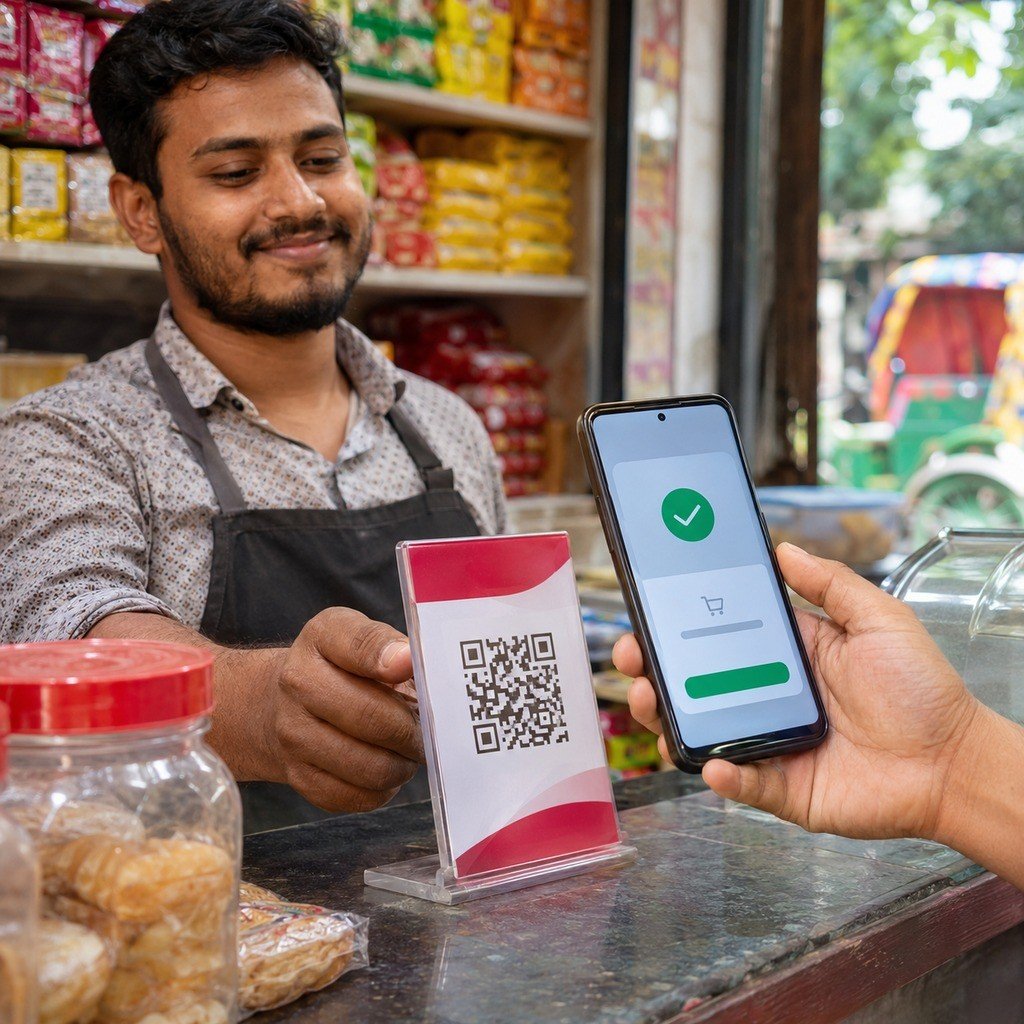

A new digital payment service branded gpay was introduced. The story deserves attention because it describes a specific development, rather than a broad promise that the entire sector has already changed. The development involves another potential route for cashless transactions. It is especially relevant to digital payment customers and merchants. Bangladesh has many capable businesses and workers, but turning a promising opportunity into practical value often requires investment, sound management and the ability to reach customers or users consistently. A positive headline can identify the direction of change; it cannot, by itself, establish the final outcome. It is worth looking at this from the perspective of digital payment customers and merchants. They will judge it by everyday results: whether access improves, whether unnecessary delays fall, and whether the change makes normal work easier. That is a more meaningful measure than publicity at the launch. At its centre is another potential route for cashless transactions. This is relevant because changes inside one organisation can affect purchasing decisions, work schedules and confidence across connected businesses. The scale of those effects cannot be measured from one announcement, however. Payment technology depends on reliability, fraud prevention and merchant acceptance. Ease of use is just as important as a new product name. A serious assessment also asks whether the initiative creates lasting improvements or merely moves activity from one group to another. That question can only be answered using follow-up evidence. There is an important limit to what can be concluded today: validate licensing and actual service coverage. Editors and readers should make the same distinction when they compare a plan, a signed agreement, a pilot, an award and a service that is already operating. These are different stages of progress, and each deserves accurate wording. The next useful evidence would include clear implementation milestones, participation by the intended users, dependable reporting and an account of practical costs. If organisations publish these details openly, businesses and families can judge the progress for themselves. Transparent follow-up also makes it easier to identify problems early and improve the programme without losing the original goal. For Bangladesh, the constructive opportunity is to turn the development into results that people can measure. That means moving beyond publicity, listening to those who will use the service or work within the sector, and reporting what actually changes. The story remains positive because it identifies a potential step forward, while leaving room for careful scrutiny as the work continues.