

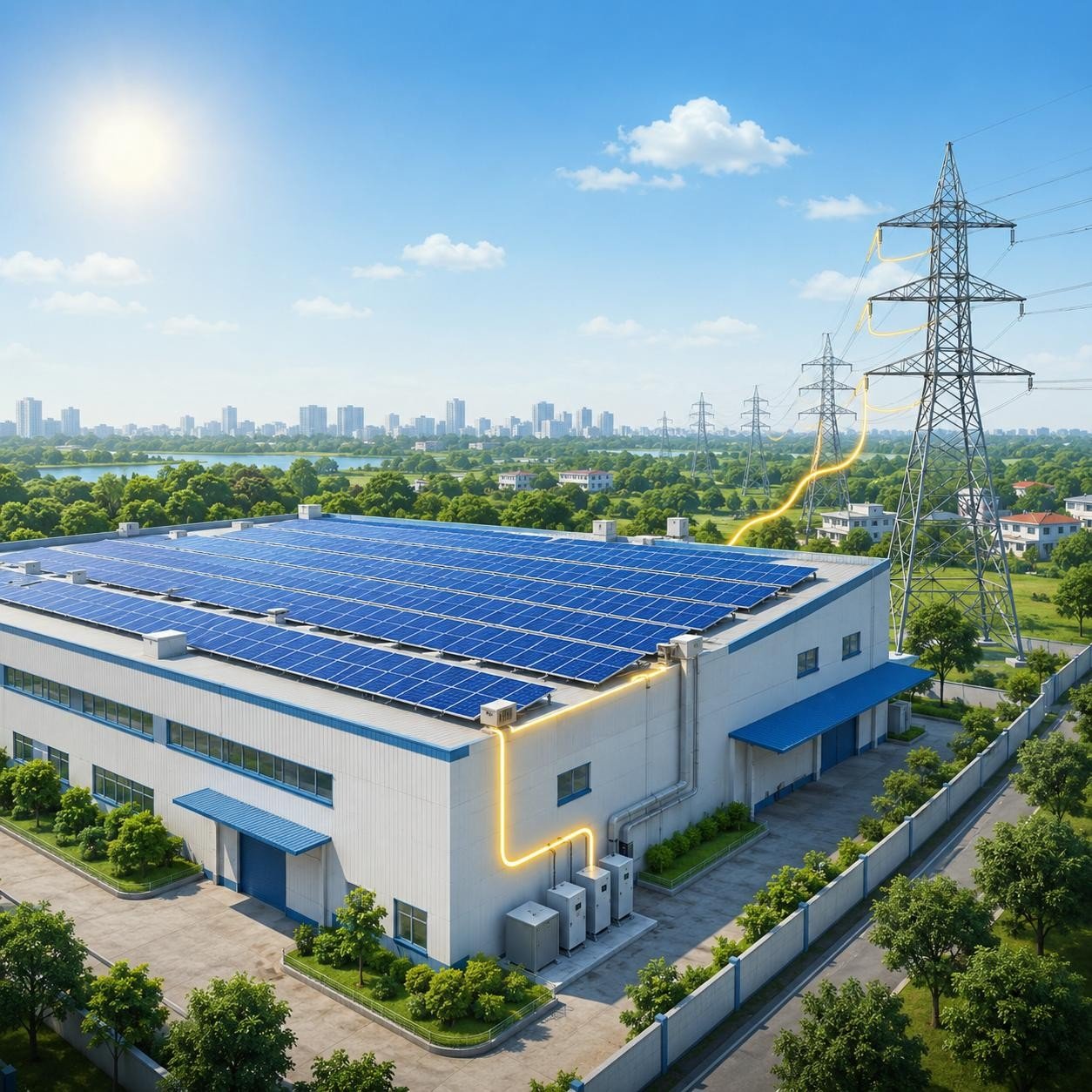

Nearly five megawatts of electricity from rooftop solar systems are being prepared for connection to Bangladesh’s national grid, showing how unused building space can support cleaner energy. The systems are being installed at 19 locations through the Power Sector Development Fund. Major sites include Ghorashal, Khulna, Rajshahi, Chattogram, Bibiyana, and Barapukuria, along with several other facilities. Instead of requiring large areas of open land, rooftop solar panels use existing roofs on industrial, commercial, training, and power-related buildings. This makes them a practical option in a country where land is valuable and demand for electricity continues to grow. Once connected, the projects will supply renewable power directly to the grid and reduce the need to produce the same amount from fuel-based sources. Five megawatts is only a small share of national demand, but the project can provide useful lessons for much larger programmes. Engineers can study panel performance, maintenance needs, grid connection, safety, and power output under local weather conditions. These findings can help improve future rooftop systems. The initiative may also encourage factories, offices, schools, hospitals, shopping centres, and apartment buildings to consider solar power. A strong rooftop programme can lower electricity costs for building owners, reduce pressure during daylight hours, and create work for installers, technicians, electricians, engineers, and maintenance teams. Local companies may also gain opportunities to supply mounting structures, cables, control equipment, cleaning services, and monitoring software. Good planning is essential because every roof is different. Before installation, specialists should check the building’s strength, available sunlight, shadows, wiring, fire safety, and access for maintenance. Panels must be cleaned and inspected regularly so dust, storms, or damaged parts do not reduce output. Accurate meters and dependable grid systems are also needed to record how much electricity is produced and supplied. Bangladesh already has a growing solar power base, including grid-connected plants, rooftop systems, and off-grid solutions. The new capacity adds to that progress and supports a more varied energy mix. Solar power can reduce exposure to changing fuel prices because sunlight does not need to be imported. It can also support environmental goals by producing electricity without smoke during operation. The project’s greatest value may be its ability to show that thousands of separate roofs can work together as a national energy resource. If financing becomes easier and approval steps remain clear, more property owners may participate. Careful standards, trained workers, and reliable equipment will protect quality. By turning rooftops into small power stations, Bangladesh can expand renewable energy without waiting only for large solar parks. The effort can also build public confidence by showing clean-energy projects in everyday workplaces. Each successful site makes the technology easier to understand and supports wider adoption across cities and industrial areas.