

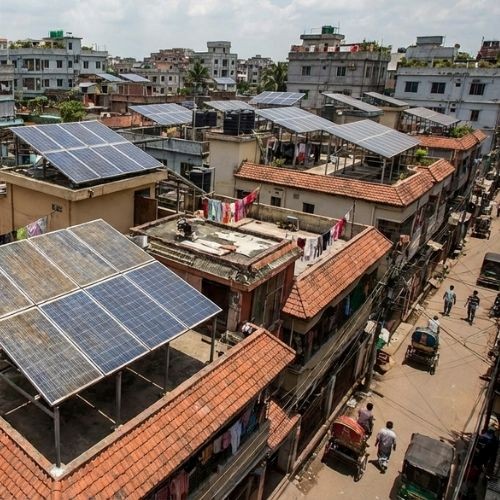

An expert report says Bangladesh can ease its energy troubles by moving faster to cleaner, smarter power systems. The study notes that low budget support and limited effort have increased the country’s reliance on fuel imports and made energy supply less steady. It argues that a clear, evidence-based energy policy would help map local resources and invite more renewable power like solar and wind. The report suggests using local experts and stakeholders to design plans that also value energy efficiency and conservation to slow growth in demand. It points out recent setbacks that have slowed renewable projects, including the cancellation of some solar project intentions because of weak competition, and says high import taxes on solar panels, inverters and efficient appliances raise costs and discourage rooftop and small-scale investment. Lowering duties on these items and offering smart incentives could make clean energy cheaper for homes, businesses and factories. The paper also recommends stronger rules that support private investment, clear project timelines, and better planning so buyers and builders can trust the system and prepare bids. For industries facing short supply, improving efficiency in factories and paying attention to demand-side savings can help reduce outages while new power comes online. The study urges step-by-step pilots, shared examples and training so workers and managers learn how to run renewable systems well and keep grids stable. It highlights the value of simple checks, like tracking how much imported equipment costs and making sure project slots are open to fair competition. The report explains that when planning and spending are clearer, projects go ahead faster and costs fall. It also notes that making it easier to buy energy saving lights and modern compressors would lower bills and cut peak demand, helping the whole grid. The authors say delays in moving away from heavy fossil fuel imports could raise the risk of higher bills and more supply problems, so action now would protect consumers and industry. The study offers a practical path: set clear policies, lower barriers to small solar and efficient tech, support pilots and use local skill to guide choices. If the government, industry and funders work together on these steps, Bangladesh could build a more reliable, affordable and cleaner energy system that supports growth, saves money and gives homes and factories steadier power. Such a shift would also create new jobs in installation, maintenance and local manufacturing of parts, boosting small businesses across the country. Cleaner power can help factories run longer with fewer interruptions, which can make Bangladeshi products more competitive abroad and help shops and hospitals rely on steady electricity. The report calls for regular progress checks and open reporting so people can see results and learn what works fast.