

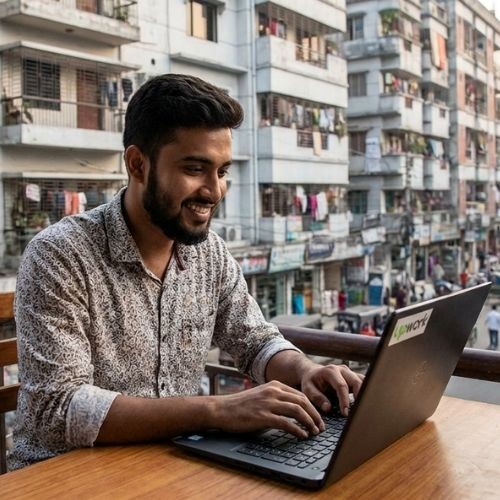

Freelancing in Bangladesh has grown into a major force in the country’s digital economy, and that rise is now shaping how young people find work and how businesses buy services. Once mostly small online tasks, freelancing now includes writers, designers, coders, data specialists and digital marketers who sell services across borders and bring foreign income into local communities also. The change matters because it gives people a new way to earn without moving to big cities, and it helps small towns keep skilled young workers. Companies at home can hire freelancers for short projects so they do not need to expand payrolls, while overseas buyers can tap a large pool of talent for fair prices. The growth is backed by better internet, more smartphones and local training programs that teach skills people need to sell online. Government and private groups have set up short courses, workshops and mentoring so more young people learn how to build profiles, create portfolios and win clients. Banking and payment changes also helped make freelance income easier to use by supporting simple ways for freelancers to get paid and manage money. Freelancers say the work gives freedom and a chance to learn new tools quickly, and many combine part time freelancing with studies or other jobs before moving full time. Top freelancers are moving from basic tasks to higher value services such as app development, cloud work and user experience design, which brings better pay and longer contracts. Local incubators and co-working spaces are helping teams form small studios that can bid for bigger projects and manage clients. At the same time, the sector faces practical challenges: reliable payment routes, clear tax rules, access to faster internet and training on new tools such as AI that change demand for services. Many groups are working on these problems by building payment solutions, running tax clinics and offering practical workshops on how to use AI to speed work rather than replace it. Businesses and trainers say simple steps like better career advice, stronger ties between universities and the tech market, and shared testing labs can help freelancers move from one project to steady business. Employers welcome the larger talent pool because it helps them try new ideas without heavy costs, and freelance earnings now help many families pay for education and investments. From local shops that need web pages to global firms that want data processing, freelancing offers a way to match skills with demand quickly and keep more people in productive work. With steady training, clearer rules and smarter payment tools, freelancing can become a durable pathway for jobs and small business growth, helping the whole digital economy grow in a way that suits many young people and local communities.