

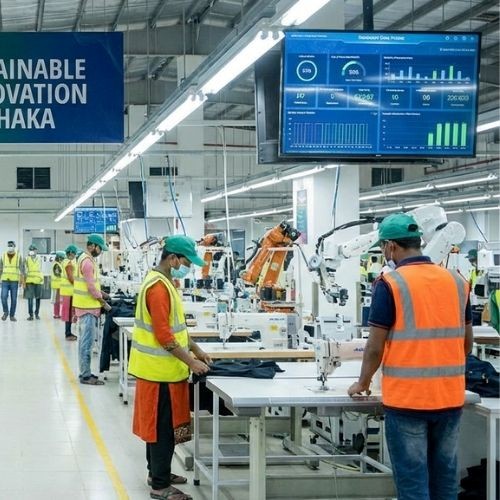

Bangladesh stands at a turning point as it prepares for life after the special trade preferences it once relied on, business leaders say innovation will decide how well exports do in the new era. The message from factory bosses, trade officials and researchers is straightforward: competing only on low price is no longer enough, so makers must add value through faster turnaround, smarter designs and stronger proof that products meet social and environmental standards. That means more focus on product development, better links between factories and designers, and closer work with universities and research centres so new ideas move quickly from lab benches into production lines. Buyers now ask for cleaner supply chains, clear data on materials, and flexible runs that can be changed fast, so firms that invest in automation, better planning software and quality labs will find it easier to win orders. Exporters are presented with a range of actionable strategies: branch out into more valuable products such as advanced textiles, household fabrics with innovative features, and high-end knitted apparel; provide private label options along with design assistance; and build traceability systems that show where fibres and chemicals come from. Small and medium makers can join networks that share testing, packing and shipping so they stay affordable while offering more advanced products. Training is part of the plan: workers need new skills in machine operation, quality checks, digital design tools and simple data handling so factories can prove what they make and why it is worth a higher price. Public and private groups can support pilots, shared labs and short courses that help many firms adapt without huge upfront costs. On the trade side, exporters want clear rules on origin and simpler paperwork so samples move fast and buyers can trust claims about origin and sustainability. Trade missions, buyer shows and small pilot shipments help build trust quickly and let sellers learn what foreign buyers value most. Financial tools that reward upgrades, such as targeted loans or matched grants for factory modernisation, can speed the shift and reduce risk for smaller firms. The switch to innovation will not happen overnight, but early wins are visible where firms paired new products with clear sustainability claims and quick delivery, and those firms found new customers willing to pay more. If many companies take similar steps, the whole export base can move up the value chain, keep jobs and attract investment in cleaner, smarter production. Leaders say the path ahead is practical: start with pilots, build skills, link makers to designers and buyers, and use public support where it helps many firms at once. With steady effort, innovation can turn what looks like a risk into a chance to grow a more skilled, diverse and resilient export sector.