

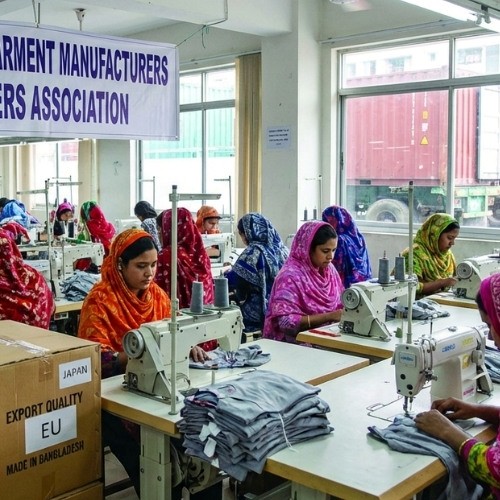

Bangladesh won a major breakthrough in trade talks with the United States when senior officials agreed to raise and reconsider a key reciprocal tariff and to explore a new preferential scheme that could give Bangladeshi textile and apparel makers easier access to the US market. The talks brought Bangladesh’s national security adviser, Khalilur Rahman, together with US Trade Representative Jamieson Greer and other trade officials to discuss steps that can help exporters and create stronger supply links. The proposal discussed would ask the US to consider tariff relief that is tied to imports of US-produced cotton and man-made fibre inputs, measured so that Bangladesh’s duty-free access would match the amount of such imports on a square-metre basis. That idea aims to create a clear, trackable way to balance imports and exports so both countries gain, and it may help buyers and makers plan with more certainty. The meeting also covered the recent changes in tariffs and stressed the need for predictable rules so factories can plan production and keep workers employed. Industry leaders say a fairer trade stance can lower costs for mills and garment factories, boost competitiveness and open doors to new orders from US brands. Officials noted that smaller exporters could especially benefit because lower barriers help them win niche and private-label work without long delays or extra paperwork. The discussions also included practical next steps like testing pilot shipments, sharing samples, arranging buyer visits and ironing out paperwork that slows trade. Bangladesh officials asked for help to ease business travel and for possible financing support from development bodies to back private sector upgrades; US officials said they would raise those points with their leadership and work to resolve outstanding matters. Both sides spoke of building trust through clear rules on origin, quality checks and traceability so export claims match what buyers expect. The tone at the talks was constructive and focused on results, with both sides agreeing to follow up quickly to turn ideas into action. If pilot projects and sample orders proceed as planned, exporters could move from trial shipments to regular production in a short time, creating steady work and helping factories invest in cleaner production and better record keeping. Overall, the progress in Washington offers a practical path to deeper trade ties that can help businesses on both sides grow while supporting jobs, investment and stronger links across the textile supply chain. Leaders said they would plan quick follow-up steps such as trade missions, producer-buyer meetings, technical support for quality checks, and training to help factories meet export rules, steps that could help smaller towns and rural workers gain steady factory jobs and let companies improve skills and reduce waste and boost long-term growth.