

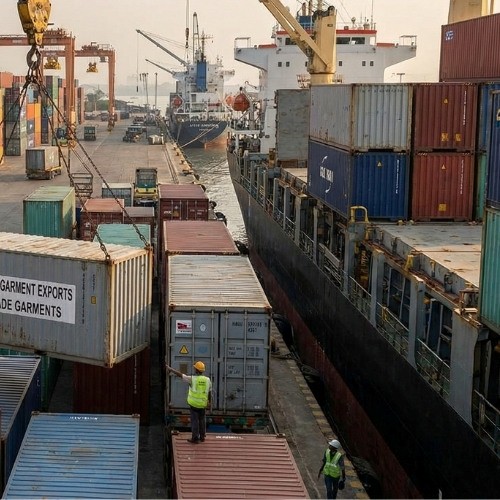

Bangladesh is preparing to sign a key economic partnership with Japan that will give many Bangladeshi products duty free access to the Japanese market from the first day the agreement is in effect, offering a strong opening for the ready made garment industry to win new buyers and orders. The agreement was finalised after multiple negotiation rounds and covers trade in goods and services, customs rules, investment, trade facilitation and intellectual property, aiming to make rules clearer and trade more stable. More than seven thousand products will be eligible for immediate duty free entry, and ready made garments are among the priority items, which matters as exporters plan product lines and pricing for overseas buyers. Lower tariffs can cut costs and make Bangladeshi offers more competitive, and this can help factories turn one off sales into steady contracts that support jobs and steady production. Small and medium exporters stand to gain because lower import charges at the buyer end ease margin pressure and make it easier to meet tight price points in foreign markets. Japanese buyers may gain access to a wider range of items from Bangladesh, including better finished pieces and private label options that match strict quality and design needs. The pact also aims to boost investor confidence by setting clearer trade rules, which could attract long term investment in factory upgrades, product development and new skills. Industry leaders say clearer access will encourage firms to invest in cleaner production, traceability and stronger compliance so their goods meet the checks many brands now require. To turn the deal into orders, companies plan simple steps like sending new samples, arranging meetings with buyers, testing pilot shipments and improving documentation so shipments arrive on time. Better logistics and faster customs handling will help cut lead times and lower transport costs, which matters when buyers ask for quick restocks or seasonal ranges. Officials also stress the need for clear rules on product origin, quality and paperwork, so both sides can trust shipments without long checks or disputes. Training programs and support for small firms to meet export rules will be important so more suppliers can join large orders and share in the gains. The list includes 7,379 products, from knitwear and denim to home textiles and accessories, giving makers new niches in Japan. Officials expect follow up steps like trade missions, pilot shipments and joint quality checks so buyers can test samples and suppliers can prove they meet standards before bigger orders, building trust and steady links. Overall, the deal is seen as a practical chance to expand markets, add value locally and build steady bilateral ties that help factories, workers and the country’s export base grow in a reliable way.