

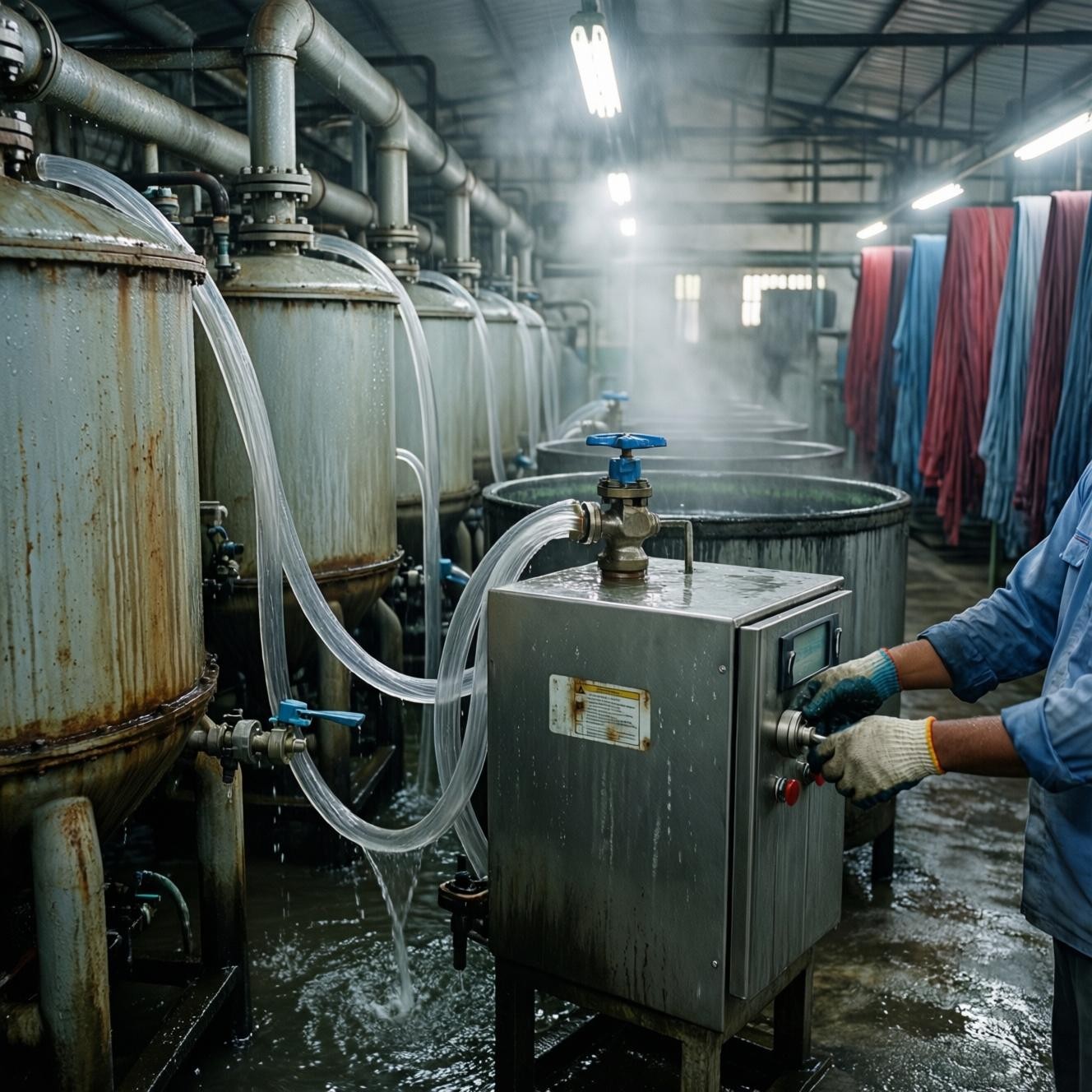

A high-level dialogue convened by the Resilient Water Accelerator brought together major apparel brands, commercial banks, development finance institutions, technology providers and government officials to design concrete investment pathways that will help Bangladesh’s textile sector become a global leader in water-efficient, climate-resilient manufacturing. The meeting highlighted a technical and economic assessment programme covering 25 brand-nominated factories that will identify priority technologies, measure likely water and cost savings, and translate those findings into clear, investment-ready projects. Participants discussed practical finance tools such as dedicated credit lines for water efficiency, blended finance that mixes grants with low-cost loans, and incentives that let banks offer loans at lower interest for green upgrades. Speakers noted that Bangladesh Bank’s recent sustainable finance rules make it easier for commercial banks to fund eligible projects and that lenders like HSBC and Prime Bank can combine finance with technical advice to help factories adopt cleaner wet-processing and zero-liquid-discharge systems. Companies like H&M, Gap, Ralph Lauren, Marks & Spencer, Primark, Next, and Bestseller participated in the discussions along with development finance institutions and collaborators like DEG and the World Bank’s WRG 2030, as well as sector groups like WaterAid and the Alliance for Water Stewardship, showing a broad alignment between buyers, financiers and development bodies. The dialogue kept the focus on practical gains: lowering water use and energy costs, improving supply chain resilience, and reducing pressure on local aquifers so communities and farms nearby keep enough water. Technology providers described affordable measures that work now, such as efficient dyeing systems, water recycling, automated chemical dosing and compact treatment plants that can be scaled to factory size. Speakers also stressed the need for training, lab tests and phased investment plans so smaller factories can join without risking jobs or profits. The tone was hopeful and action focused; delegates agreed that translating technical assessments into bankable loans is the next step and that clear pipelines will unlock larger sums for sector-wide upgrades. By aligning brand purchasing practices, blended finance, technical assessments and policy incentives, Bangladesh can not only meet global sustainability rules but also set new standards for resilient, water-secure textile production. With steady collaboration, clear finance channels and practical project plans, the country’s apparel industry can protect local water resources, cut operating costs and keep supplying global markets while helping workers and nearby communities thrive. Delegates also urged simple pilot projects that show quick wins, such as retrofitting a dye house or installing a shared water recycling unit, because short demonstrations help banks see returns and help factories try changes. They also highlighted the value of clear measurement tools so managers, workers and buyers can track water savings and cost gains. If pilots succeed, larger investments can scale fast across regions and support long-term jobs.