

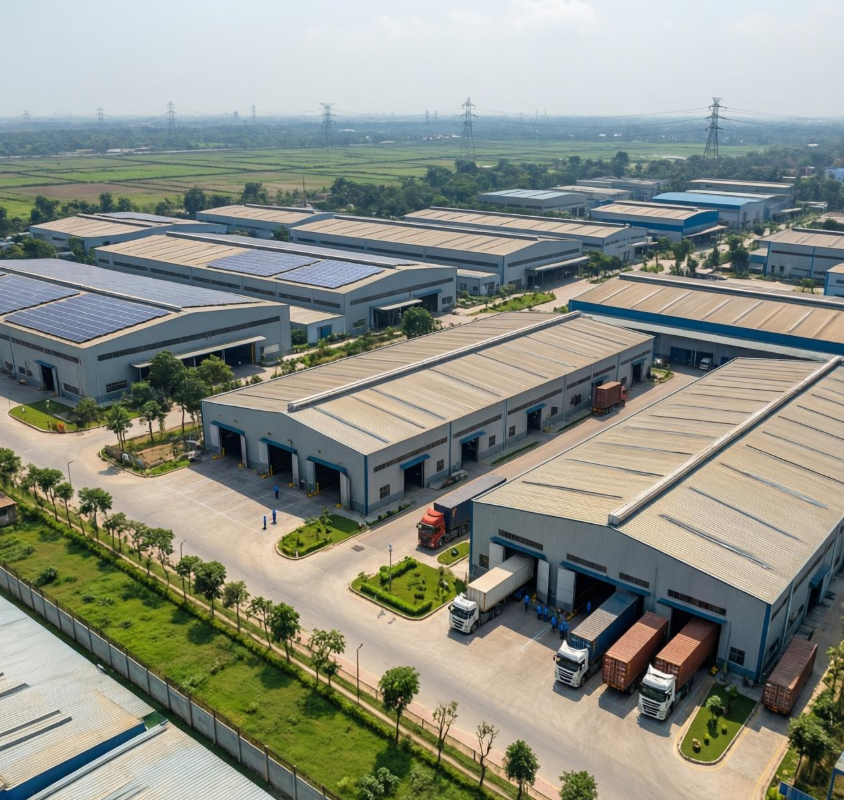

Nearly two decades after approval, the API Industrial Park in Gajaria, Munshiganj still sits mostly idle, and the empty plots and quiet roads make clear that the park has not yet become the production hub people expected. The site covers about two hundred acres and was planned to help Bangladesh make active pharmaceutical ingredients so drug makers would not rely so much on imports, but many firms cannot begin production because a steady gas supply and some shared utilities are missing. Several companies were allocated land and some even built factories and equipment, yet without gas they cannot run steam-heavy chemical units at a reasonable cost, and running on diesel would raise production costs many times over. The park was also meant to include shared services such as a central effluent treatment plant and other pooled facilities to cut costs and ensure safe waste handling, but those assets remain unused while firms wait for full utility hookups. This gap matters because most key raw ingredients for medicines are still bought from abroad, and local drug makers say that backward integration into API making is needed to protect medicine supplies and control costs as the market changes. Investors who built plants borrowed heavily and now face mounting loan bills while factories stand idle; one investor says costs are urgent. Only a few APIs are made locally and most raw materials are imported. Fast utilities, focused incentives and simple finance could create jobs and cut import risks. Experts point out that a phased plan would help: start with a short list of commonly used APIs that have steady domestic demand, provide reliable gas and power to those plots first, open the effluent plant for safe chemical handling, and offer clear, fast permits plus targeted finance so smaller firms can join without huge upfront risk. Building local API capacity will take time, training and steady policy support, but it could lower currency exposure, reduce shipment delays and make medicines more affordable over the long run. If public agencies and private firms agree on a clear roadmap and act on simple fixes like gas connections, shared services and matched loans, the park could finally move from empty roads to working factories and give the country a stronger base for drug making, better job chances for skilled workers, and more secure supplies of key medicines for patients and hospitals.