

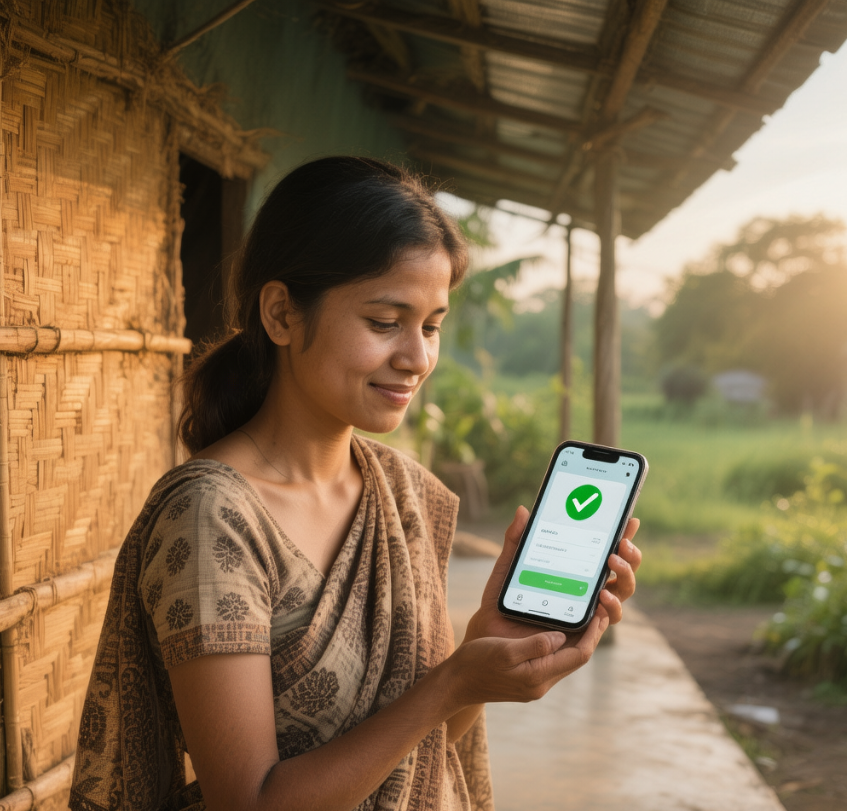

Remittance inflows to Bangladesh rose 70 percent in the first six days of January, reaching US$770 million, according to Bangladesh Bank figures, and the strong start has given families and planners a welcome boost. Between July and January 6 of the current fiscal year, expatriate Bangladeshis sent US$17,035 million, up from US$14,229 million in the same period last year, which shows a clear rise in money coming home. These funds matter for many households because remittances pay for food, school fees, medicine and small business costs, and that steady income helps families plan ahead and feel more secure. Remittances also bring foreign currency into the country and can help banks and traders manage payments for imports, which in turn supports local shops and factory work. Officials and market watchers say a mix of reasons often lifts remittance flows: seasonal payments after holidays, year-end bonuses, easier digital transfers, more bank branches in sending countries and special incentive programs that encourage migrants to use formal channels. While the Bangladesh Bank data does not list a single cause, the quick rise in early January suggests many workers and migrants chose to send money at the start of the year. For small towns and rural areas, that money can make a big difference because one family member’s remittance can pay for a house repair, a child’s school costs or the seed and fertilizer that a farmer needs for the next crop. Local traders and transport workers also feel the benefit when families spend more on food, clothes and services. Experts note that steady remittances reduce pressure on short-term credit and give banks time to plan lending and currency purchases. Still, planners say it is best to use the extra funds wisely: keeping some as savings helps households face lean months, and investing a portion in small enterprises can lift incomes over time. To keep the gains flowing, banks and money transfer operators should keep improving speed, lowering fees and protecting customers from fraud. Simple steps like clear exchange rates, easy pickup options and reliable mobile banking make it easier for recipients to use the money fast. Development groups add that pairing remittance flows with local training and microloans can turn short-term help into long-term income growth. For policymakers, higher remittances give room to support social programs and build reserves, but officials also stress the need for clear planning so gains benefit many people. The early January surge is a positive sign that the global Bangladeshi community continues to send vital support home, and if practical services, fair fees and good planning follow, those funds can do more than cover bills: they can help families invest in futures and make local economies stronger and sustainably.