

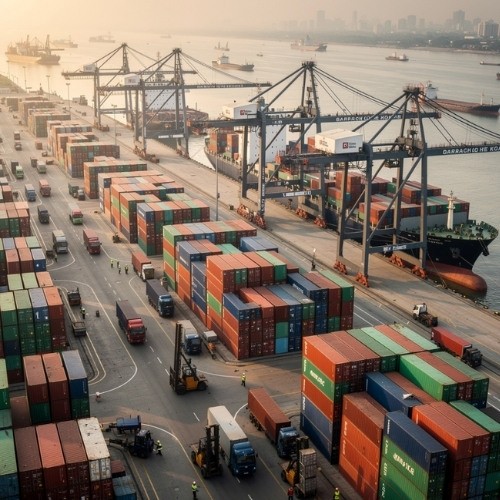

A new analysis says logistics reforms could quickly boost Bangladesh’s exports, and the message is simple: faster, cheaper transport helps factories sell more to overseas buyers. Long waits at ports, slow customs checks and extra handling add cost and make orders late, so buyers sometimes look to other countries. Many firms have started their own transport and warehousing to cut delays, but experts say wider, system-level changes will make a bigger difference for the whole industry. Practical steps include improving port efficiency, using more than one mode of transport, and making digital systems work across the whole trade chain. Better port operations can cut time at the dock, and links by road, rail and inland container depots can move goods from factories to ships faster and at lower cost. Digital customs, one-stop clearance and clearer paperwork also reduce slowdowns and unpredictable fees. When documents are simple and inspections are smart and fast, trucks do not wait for days and buyers get the goods on time. Training people who run logistics and helping small carriers and warehouse owners upgrade is part of the solution. Simple finance and fair rules will let more small businesses buy better handling equipment and use modern storage. Buyers care about reliability and speed, so when shipments arrive on time brands are more likely to place steady, larger orders, which helps keep work and wages steady at factories. The reforms also lower waste and help factories plan labour and raw material needs more accurately, cutting costs and improving quality. Public and private groups can work together to design step-by-step plans that spread cost and risk over time and show quick wins. Pilot projects that test multimodal routes, smarter port handling and joint logistics hubs help show what works before scaling up. Clear targets, shared data and regular review make it easier to track results and keep improving the system. The change does not need to be only about big machines or major spending; small fixes like better scheduling, cleaner yards and agreed loading windows can cut waits and costs right away. Over time these practical changes add up and make Bangladesh a faster, more trusted partner for global buyers. If customs, port managers, industry and buyers coordinate on hands-on, phased reforms, logistics can move from being a barrier into a core national strength. That shift would help grow exports, raise incomes and make factories more competitive on the world stage while protecting jobs and encouraging new investment. Many people in the trade welcome clear, steady plans that show results fast, and citizens benefit when export growth creates stable village and city jobs across transport, warehousing and manufacturing. Small steady reforms will make a real difference today indeed.