

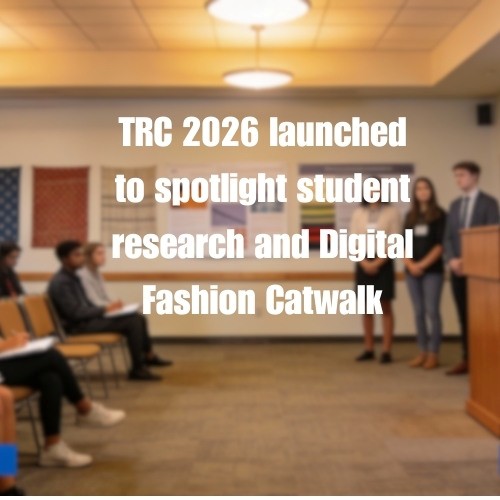

The 7th Textile Research Conference (TRC 2026) was launched in an online press meet, and organisers announced it will be held on October 31, 2026 at BGMEA University of Fashion and Technology, offering researchers, students and industry a clear stage to share fresh ideas and practical work. The launch followed the formation of a steering committee on January 16 at Southeast University’s permanent campus, and leaders said the conference will focus on research, innovation and hands-on projects that help the textile and apparel sector grow. The programme will include student research competitions, a Digital Fashion Catwalk to present student designs, technical talks, hands-on workshops and short training for lab and factory skills. The aim is to link classroom learning and lab work with real factory needs so students can practise useful methods and companies can test low-cost ideas that save money and reduce waste. Speakers urged universities, mills, brands and development partners to enter research on sustainability, smart materials, circular design, testing and simple digital tools that speed production. Organisers also asked students to prepare short posters, working samples and clear explanations so judges and buyers can judge entries quickly and give feedback that helps improve projects. The Digital Fashion Catwalk will provide a platform for emerging designers to present tangible clothing and virtual designs, enabling purchasers to identify new talent and innovative fabric concepts. Short workshops planned at the event will teach simple lab tests, fabric recycling steps and basic ways to measure environmental impact so factories can use the results fast. Local and visiting experts will lead hands-on sessions on dye testing, digital pattern making, quality checks and small-scale automation that make daily work more efficient. The team said they will publish a short proceedings booklet and give awards for best student projects and for research that shows clear cost savings or environmental benefits. Organisers asked partners to provide small travel grants so students from smaller towns can attend and learn, and they invited sponsors to support prizes and training sessions. Previous TRC events helped academics and companies adopt practical fixes, and organisers hope this year’s mix of competitions, demonstrations and talks will speed up adoption of better materials and cleaner processes. If the October meeting goes as planned, TRC 2026 could become a lively meeting place where fresh research meets factory needs, new skills spread quickly and young researchers find links to real industry work. The organisers said clear, simple outcomes are the goal: quicker use of tested ideas, more student access to industry, and a stronger bridge between research and the factories that make cloth and garments. Organisers invited everyone to register and to bring practical ideas that benefit both learners and industry.