

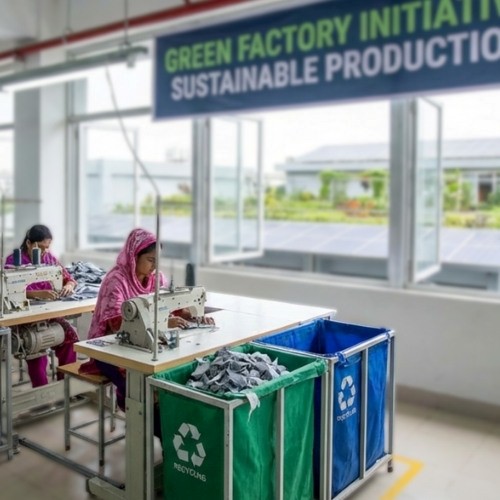

Bangladesh’s garment industry is stepping up to meet new European Union rules, and industry leaders say long-term partnerships and clear support will make the difference. The Bangladesh Apparel Exchange is helping by linking factories, brands, technical experts and government actors so factories can learn what EU compliance means and show steady improvement. Water use is a priority because textile making needs a lot of water, and groups like WaterAid have joined events and pilot projects to share better ways to save water and protect local supplies. Many factories have already invested in green systems. More than two hundred factories now hold LEED or similar green certifications, and many have added solar panels. These changes reflect real investment in energy efficiency, water recycling, resilience efforts and cleaner materials. At the same time the shift has been uneven. Large and export focused factories are often ready to meet strict rules while many small and medium factories face big hurdles. They struggle with little capital, limited technical skills and thin profit margins. Factories that work on 3 to 5 percent margins find it hard to pay for new systems without help. Industry groups, buyers and government bodies are working to turn EU rules into step by step plans that factories can use. One helpful idea is longer term buyer commitments so factories can plan and repay investments. Buyers can also help by sharing technical know how and by offering fair prices that reflect the cost of greener production. The government has set up funds such as a Green Transformation Fund, but many factories say the process to get finance is hard and slow. Better access to low cost finance and simpler rules would help small factories make the jump. Training and technical support are also needed so managers can use new tools for carbon measurement, chemical tracking and supply chain mapping. Global programs run by banks and development partners have shown good results, but experts say more scaled up work is needed. Looking beyond Bangladesh, other countries show where to aim. Vietnam is moving fast on automation and digital tools, China leads in advanced factory tech and big renewable projects, India is strong in sustainable fibres and Turkey uses its closeness to markets to build circular systems. Bangladesh already has strong advantages like a large workforce, mature supplier networks and a growing record of improvement. To keep and grow that edge the industry must speed up digital work, use more recycled and low impact materials, and expand circular models that reuse clothing materials. If brands, buyers, development partners and government step up with patient finance and long term ties, Bangladesh can meet EU rules while keeping jobs and building a more sustainable apparel future.