

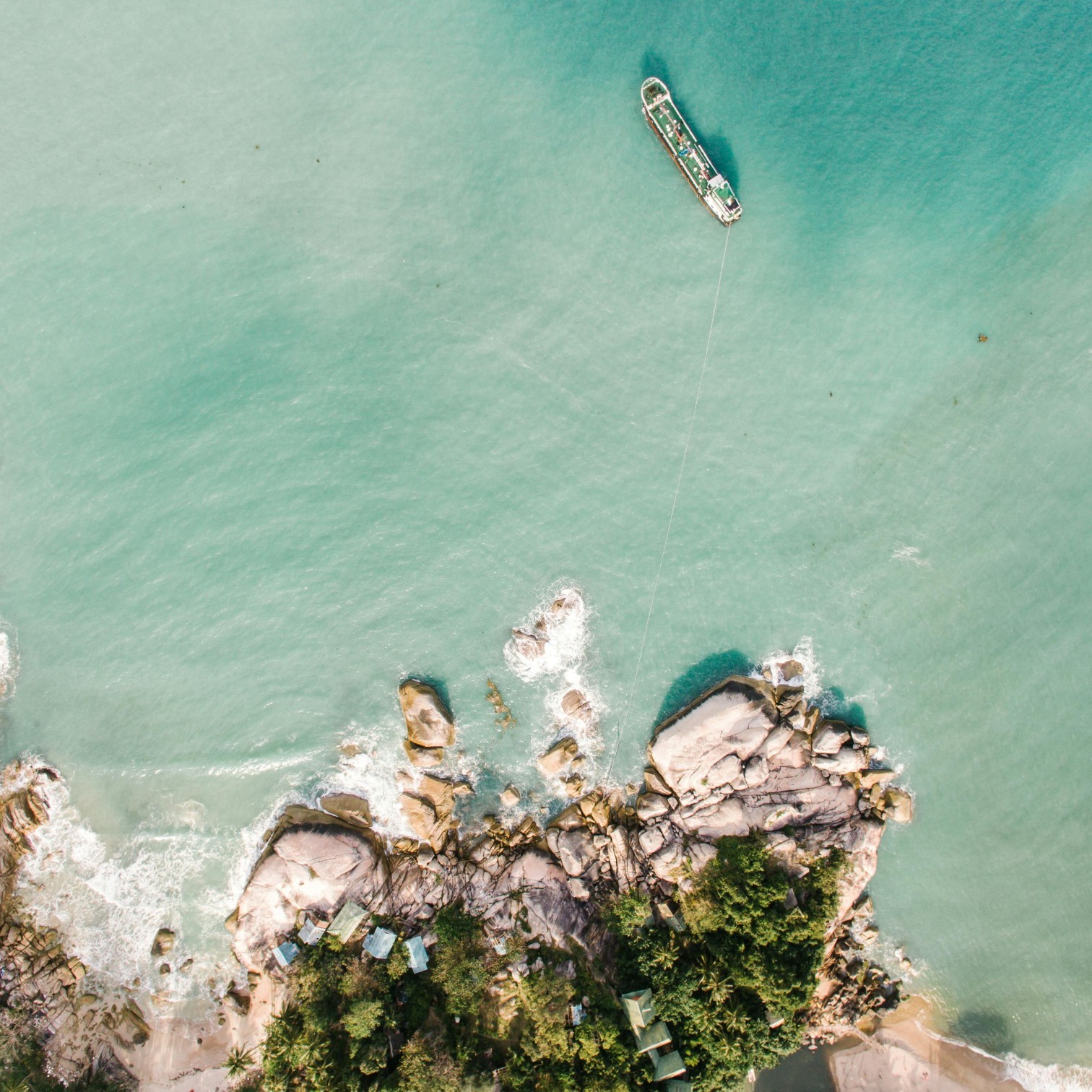

Bangladesh has launched new eco-friendly tourism guidelines for Saint Martin’s Island to protect its fragile nature and guide visitors toward low-impact travel, a move meant to keep the island beautiful while helping local people benefit from tourism. The rules begin with a clear message: enjoy the island, but do no harm. To reduce crowding and pressure on land and sea, authorities will cap daily visitor numbers and set seasonal limits on overnight stays so the island can rest and recover. Visitors will need tickets bought through an official tourism portal and each ticket will carry a QR travel pass to help manage numbers and make entry simple and safe. Boats will not be allowed to sail to the island without proper approval, and motorised beach vehicles and sea bikes are banned to keep sand and shore peaceful. The guidelines ban lighting fires or lamps on the beach at night, loud music and barbecue parties so turtles, birds and other wildlife are not disturbed. Collecting Keya fruit, entering protected forest patches, and taking shells, corals or any marine life are not allowed. Tourists are asked not to bring single-use plastic items such as chip packets, plastic spoons, straws, tiny soap or shampoo packs, or large plastic water bottles; instead they should carry reusable flasks and use refill points. The new rules also ask tour operators and local hosts to follow safe waste handling, to store rubbish properly, and to take part in training on how to guide visitors without harming nature. The move aims to balance nature, visitor needs and local jobs by encouraging steady, slow growth in tourism that supports small businesses and local culture. For visitors, the changes mean clearer rules, fewer crowds, and more chance to see the island in a calmer, cleaner way. For local people and guides, the rules offer new chances for training, better income from planned visits, and more ways to show crafts, food and culture to respectful guests. Officials and conservation partners say the rules are part of a longer plan to protect coral, sea grass and coastal trees and to turn the island into a model for eco-friendly travel in the region. Tourists who follow the guidelines will help the island stay healthy and will leave with quieter, richer memories of a place that is both wild and welcoming. The rules encourage visitor services like clear signs, visitor centres, trained local guides and regular beach cleanups. Some ticket fees will fund cleanup work and local training, and officials will monitor beaches and reefs to check progress. The plan rests on small steady steps that protect nature while helping people who live and work on the island build better lives and local businesses.