

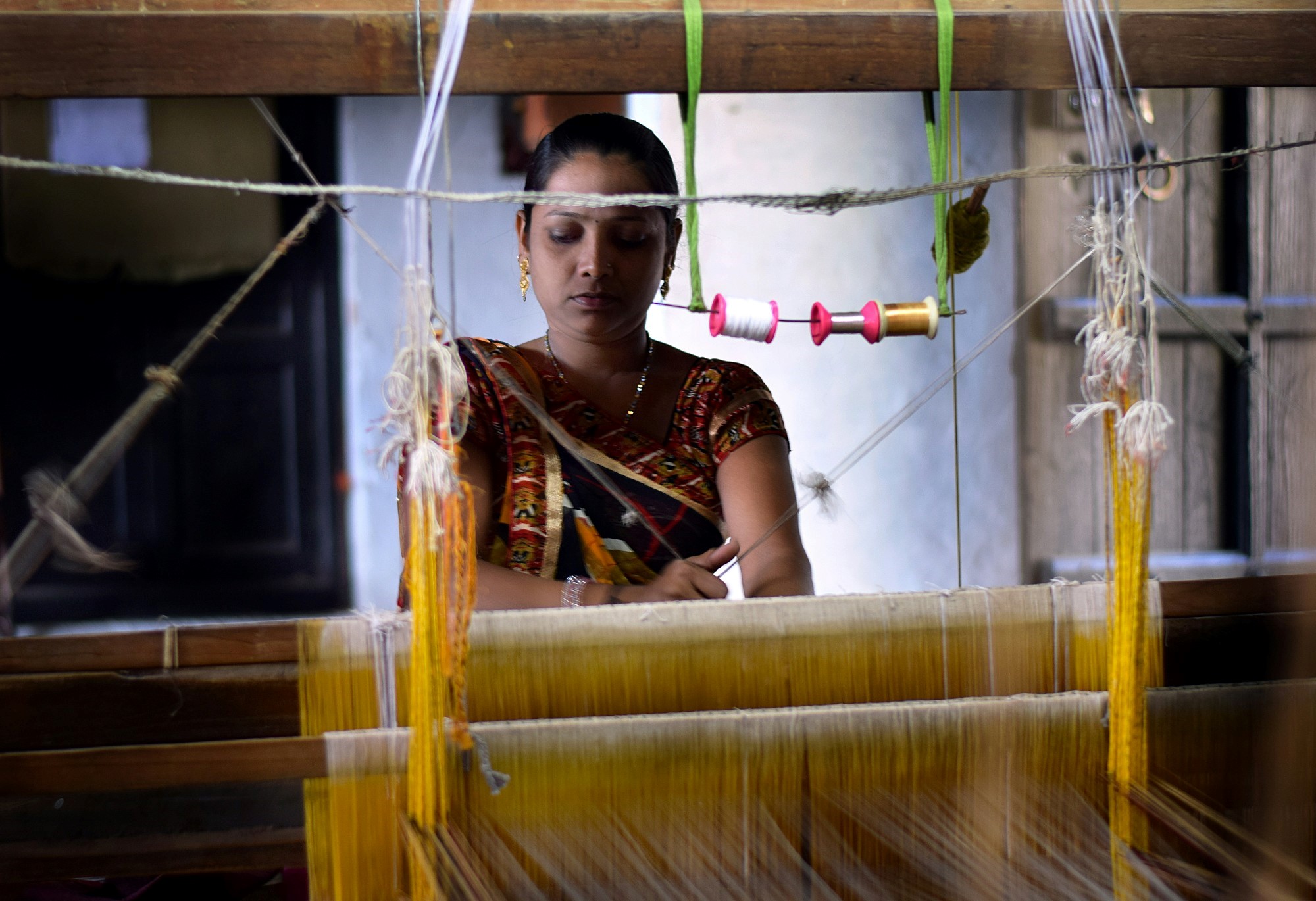

The Bangladesh Handloom Board and the Heritage Research and Professional Institute signed a Memorandum of Understanding in Dhaka to boost research, training and heritage fashion development, a move that aims to protect traditional weaves and give artisans new chances to earn. The deal will create structured artisan training programs teaching weaving techniques, design basics, quality checks and simple business skills so makers can improve craft, finish goods better and reach buyers more easily. The partners will develop academic modules for colleges, short courses for village artisans and joint research projects to document regional motifs, study local fibres and test sustainable dyes and processes. The plan seeks product diversification so handloom can move beyond sarees into home textiles, accessories and branded fashion that add value and open new markets. A key part is practical pilot projects and shared testing labs where small workshops can check colour fastness, strength and other quality measures without heavy cost, and incubator spaces will give young designers a low risk place to try samples and learn marketing. The MoU also suggests community support such as group buying of yarn, pooled transport to markets and shared service centres for dyeing and mending so small makers can lower costs and raise income. Sustainability will be central, with trials of natural dyes, water reuse and energy efficient tools so handloom products meet rising buyer demand for eco friendly goods. The partners plan to record craft stories and preserve heritage techniques so cultural memory stays alive and becomes part of product storytelling that appeals at home and abroad. Training for women weavers and youth is highlighted, with short certificates, internships and links to exhibitions and online shops to help makers sell small batches and learn safe business steps. Industry groups and craft leaders say the MoU balances respect for tradition with simple, practical steps that build income and keep skills in local communities. Organisers also hope for easy finance, mentoring and clear monitoring so pilot projects can scale without sudden change and benefits spread steadily. If the programmes reach handloom clusters, villages that rely on weaving can earn more while passing craft to new generations and schools can include heritage fashion study to train future designers. The overall aim is to join research, training, shared services and market links so Bangladesh’s handloom heritage becomes a living part of the modern fashion market and a steady source of work and pride. The agreement invites universities, craft councils and private buyers to join on research, joint exhibitions and export trials that test market demand. Simple steps like clear care labels, fair pricing guides and small quality labs will help buyers trust products and return for more. This steady plan could change lives.