

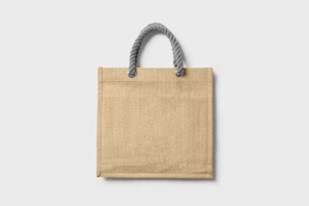

Environment Adviser Syeda Rizwana Hasan encouraged people to use jute bags instead of polythene. She announced that the government is supporting efforts to make affordable, reusable jute bags available to everyone. and warning that banned polythene will face strict enforcement. She opened by pointing out that polythene harms soil, clogs drains, and pollutes waterways, and said switching to jute can cut those harms while supporting local industry. The plan includes production support for new entrepreneurs, partnerships with jute diversification centres and small business foundations, and distribution through established dealer networks so shoppers can easily buy subsidised jute bags at markets and shops. Subsidies and coordinated marketing will make jute bags more price competitive, and awareness campaigns will help families and vendors form a habit of carrying and offering reusable bags. The adviser also said inspections will be stepped up and that authorities will confiscate banned polythene and pursue legal action to deter illegal production and sale. While enforcement is important, the programme is built around positive incentives — training for small manufacturers, help for women entrepreneurs, and links to technical support so jute makers can improve quality and lower costs. Jute is highlighted as a strong choice because it is natural, sturdy, and can last for many uses, so a single jute bag can replace dozens of single-use polythene bags over its life. That durability helps households save money and reduces the amount of plastic that ends up in soil and rivers, protecting crops, fish and local wildlife. The adviser stressed that changing habits takes time but said the combination of supply, price support, outreach, and inspections offers a practical path forward. Local traders and market associations are set to play a key role in distribution so customers can buy bags where they already shop, and the support for small jute businesses should help local jobs and keep more value inside communities.Professionals and local organizations are invited to participate in awareness campaigns, while educational establishments are encouraged to implement the use of reusable bags to set an example for this new practice. The message to consumers is simple: choosing a jute bag helps the environment, supports local industry, and can be affordable when government support and market action work together. With steady promotion and clearer availability, the adviser said she hopes jute will become the normal, everyday choice instead of single-use polythene.