

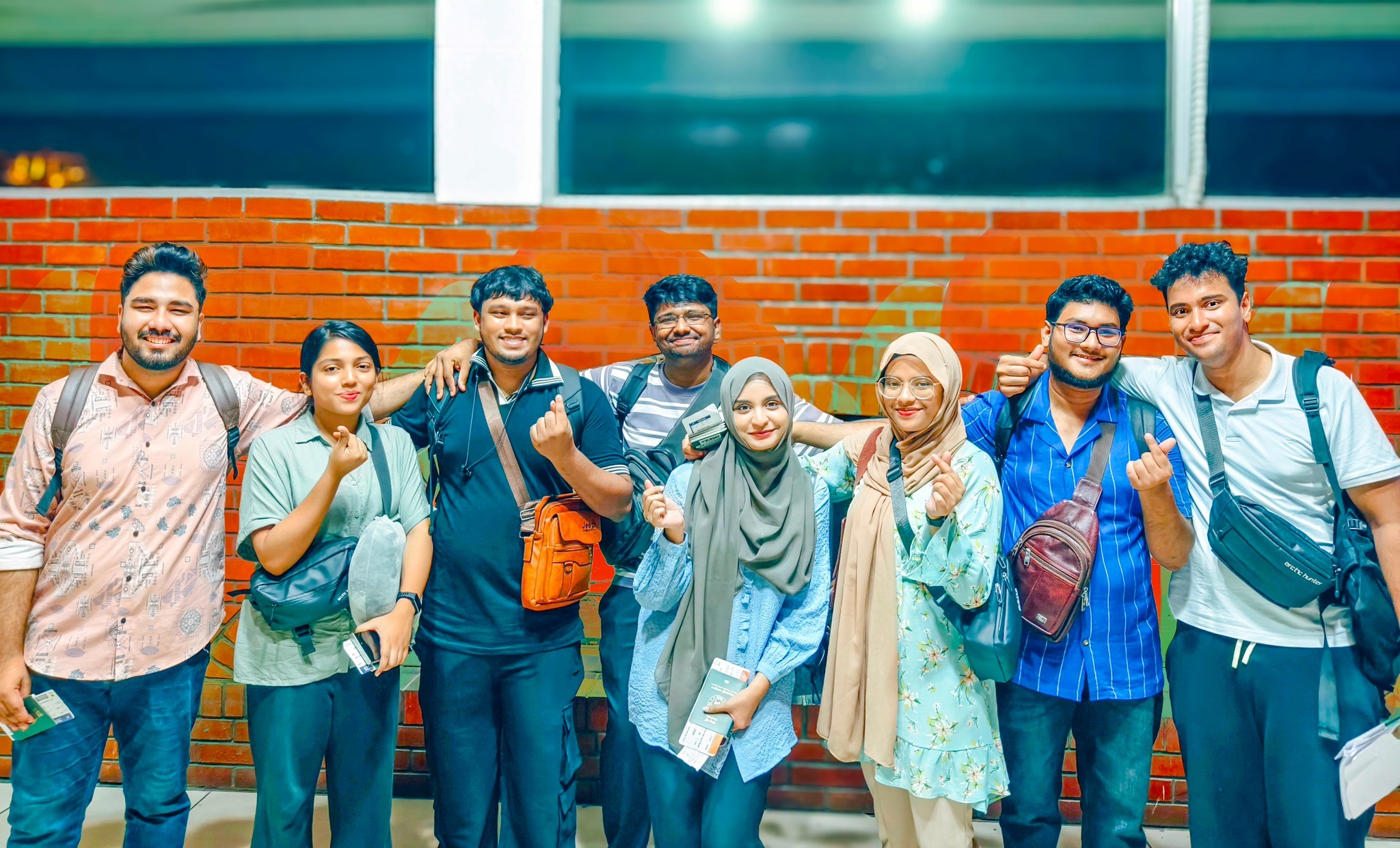

Eight young tech talents from Bangladesh have begun a ten-day learning and exchange trip to China after winning places in the Seeds for the Future programme, a hands-on chance to study 5G, artificial intelligence, the Internet of Things and smart city technologies while meeting industry leaders and peers. The visit centers on a Digital Talent Summit packed with expert talks, practical workshops and site visits that aim to turn ideas into skills students can use when they return. The programme gives clear, practical training rather than only theory, and it includes social exchange activities that help students learn teamwork, cultural ways of working and how to present ideas to global audiences. The eight winners come from top universities and bring a mix of interests in networking, software, hardware and smart systems: Syed Atif Ryhan from American International University – Bangladesh; Farisa Zaynah Zaman from North South University; Nafim Karim Khan from BRAC University; Md Rezwan Ullah from Bangladesh University of Engineering and Technology; Tasnia Iffat from University of Dhaka; Md Safius Sifat from Rajshahi University of Engineering and Technology; and Nufsat Farooque and Wasif Uddin from Islamic University of Technology. A programme representative said this is the twelfth year the initiative has run in the country and that organisers hope the winners will use the exposure to grow stronger technical skills and return with fresh ideas that can help build local projects and services. During the trip students will see real applications of fast networks and smart devices, hear from company engineers about building secure systems, and take part in hands-on labs that show how small projects can solve city or community problems. Back home the students plan to share what they learn through workshops, small team projects and campus talks so that more peers can benefit. The trip is also meant to open doors to internships, joint projects and mentoring links that can speed career starts in the tech sector. For students, a mix of training, real-world examples and new contacts can make it easier to build practical projects, find work and join teams that develop new services for people and businesses. The programme is framed as a clear skill boost: fast, focused learning with real connections that help young people take part in the country’s digital future. They expect to return with practical project ideas and to work with mentors and local groups to pilot small tech solutions in their campuses and communities. Schools and local groups are likely to benefit when winners run short courses or share open tools that others can use.