

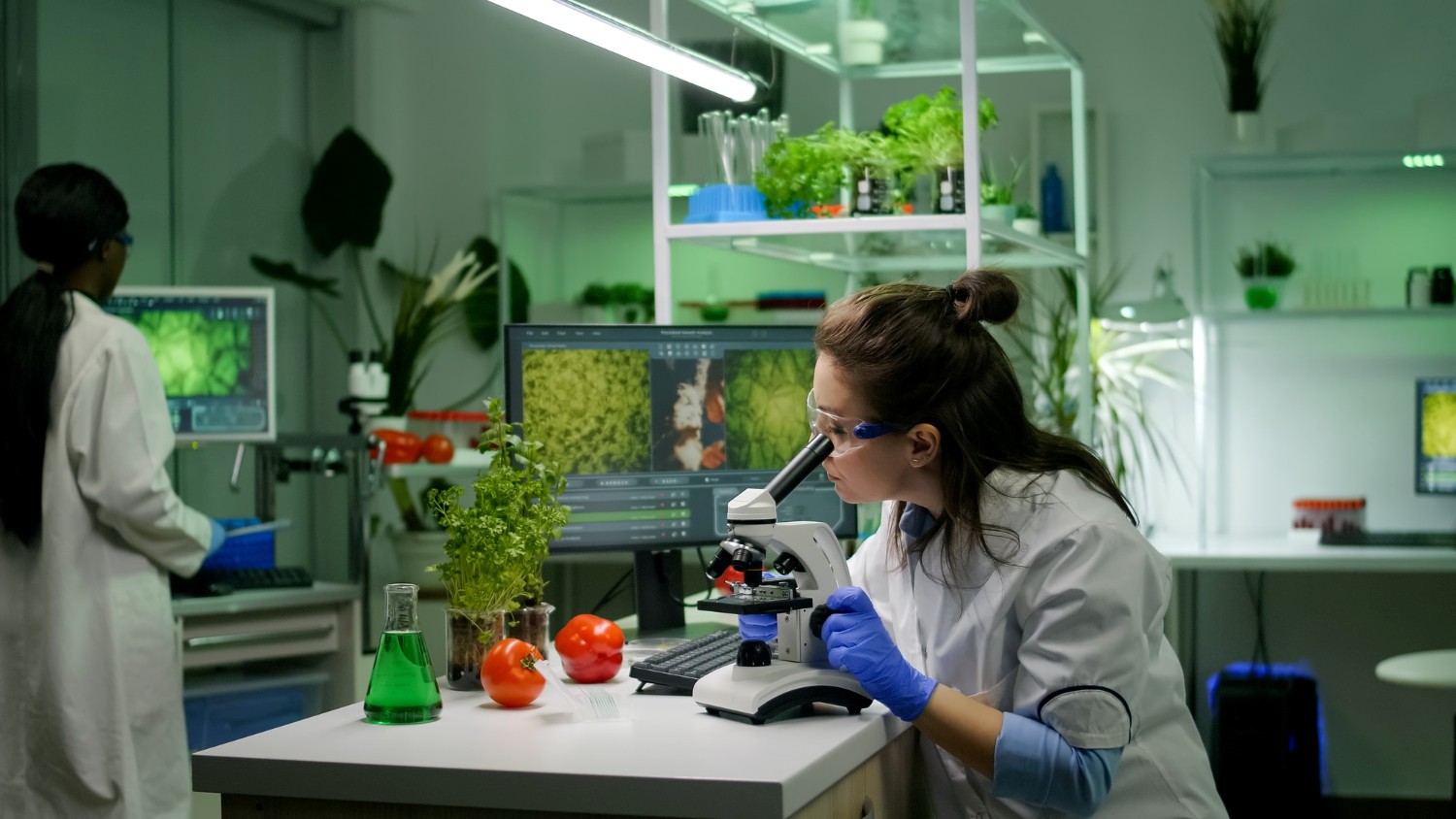

Bangladesh’s pharmaceutical industry, a global success story meeting 98 percent of local medicine needs and exporting to over 150 countries, is preparing for a transformative shift as the nation approaches its 2026 graduation from Least Developed Country status, which will end key trade exemptions and challenge its generics-driven model. With export earnings reaching $213 million last year, the sector now faces rising drug costs, stricter global standards, and reduced export potential, prompting a push for innovation through stronger ties between pharmaceutical companies and universities. These partnerships aim to shift the industry toward developing new drugs, biosimilars, and local clinical trial capabilities, reducing reliance on imported materials and foreign labs. By collaborating, universities can update curricula to include skills like regulatory science and advanced manufacturing, ensuring graduates are job-ready for a competitive market. Industry-supported research in fields like biotechnology and active pharmaceutical ingredient production could lower costs and spark innovation, while centers of excellence, inspired by models like India’s, could focus on cutting-edge research and training. The lack of local clinical trial infrastructure, hindered by delays in approvals and a shortage of skilled researchers, currently forces companies to outsource, increasing costs and delays. Universities can help by establishing ethical review boards and training programs to build expertise in trial design and data management. Additionally, academic input can shape policies to navigate new intellectual property rules, ensuring affordable medicine access while meeting global standards. To make this work, the government is encouraged to offer tax incentives and grants to foster joint projects, while universities need support to commercialize research and align with industry needs. Overcoming barriers like outdated labs, limited funding, and mistrust between sectors is key to success. These collaborations could create jobs, boost economic growth, and position Bangladesh as a leader in affordable, innovative healthcare solutions. By investing in skills training, research facilities, and policy labs, the country can build a resilient pharmaceutical sector ready for global competition. This strategic shift not only strengthens the industry but also ensures better healthcare access for millions, showcasing Bangladesh’s potential to innovate and thrive in a post-LDC era through shared commitment and forward-thinking partnerships.