

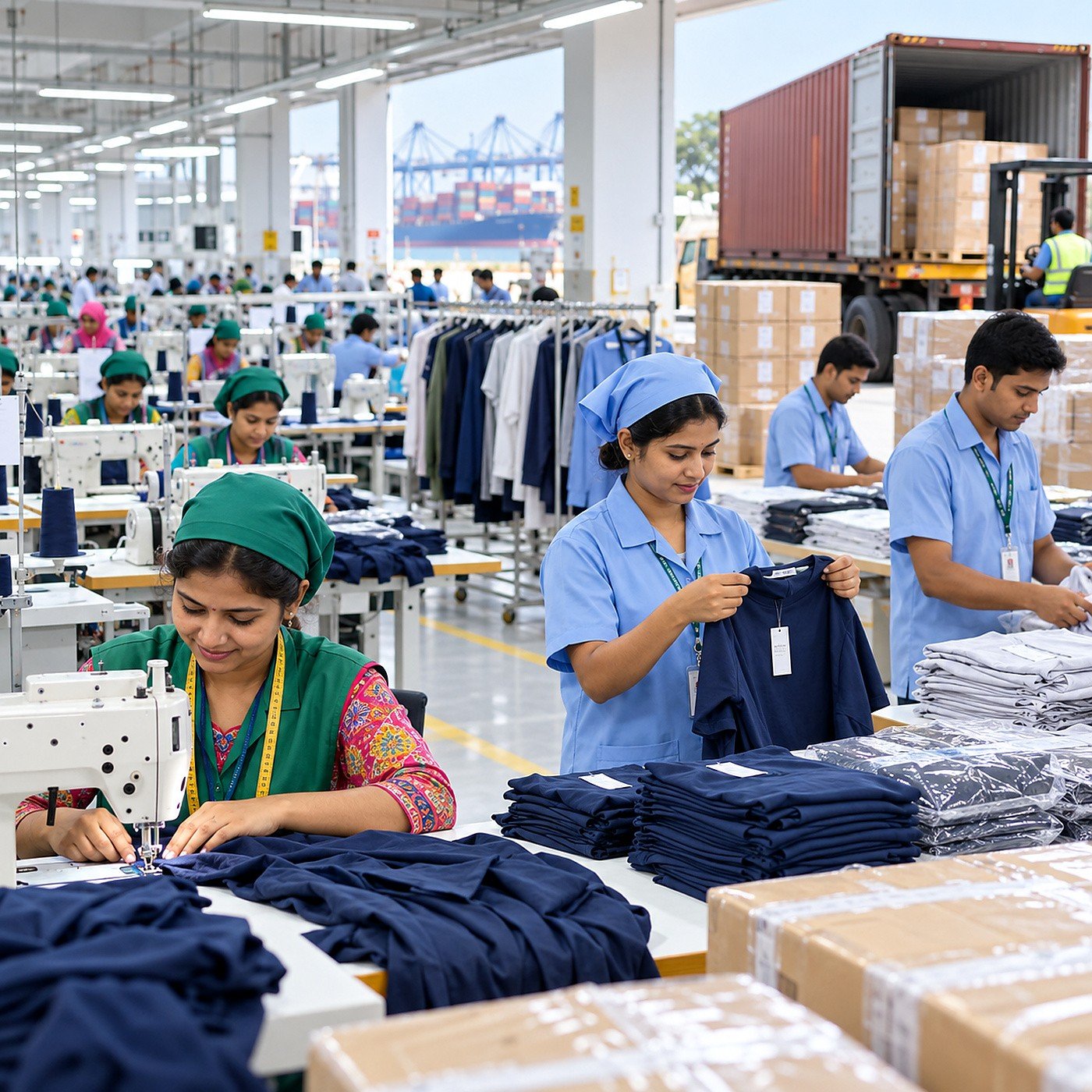

Bangladesh’s ready-made garment industry has reached a new monthly record in non-traditional export markets, showing that the country’s apparel sector is gradually building a wider international customer base. Export earnings from destinations outside the industry’s major traditional markets reached $642.93 million in August, the highest monthly total recorded for this group of markets. The result is important because Bangladesh has long depended heavily on a limited number of large apparel destinations. Expanding sales in Japan, Australia, India, Türkiye, South Korea, Mexico, the United Arab Emirates, Brazil and other markets can give exporters more room to grow while reducing dependence on a few buyer regions. Export Promotion Bureau data show that the monthly average for non-traditional RMG exports also improved during the first two months of the current fiscal year compared with the previous fiscal year’s average. Their share of total apparel exports increased as well, suggesting that diversification is becoming more visible in the industry’s overall performance. Japan was the largest non-traditional destination in the latest month, followed by strong shipments to Australia, India and Türkiye. Bangladesh also recorded apparel exports to markets across Asia, the Middle East, Latin America, Africa and Oceania. This spread matters because different markets have different product needs, price ranges and seasonal demand. A wider customer base gives Bangladeshi manufacturers more opportunities to develop new categories, work with different buyers and reduce exposure to a slowdown in any single region. The growth also creates an incentive for factories to improve design, product development, compliance, sustainability and delivery performance. Non-traditional markets are not limited to premium products; they can offer demand for many categories of clothing if exporters study local consumer needs and build the right business relationships. Bangladesh already has large-scale manufacturing capacity and an experienced apparel workforce, so expanding market reach can help use that strength more effectively. The latest record does not mean diversification is complete, but it shows clear progress. With focused promotion, stronger buyer engagement and continued improvements in quality and sustainability, Bangladesh can use this momentum to deepen its presence in newer markets and create a more balanced, resilient export base for one of the country’s most important industries.