

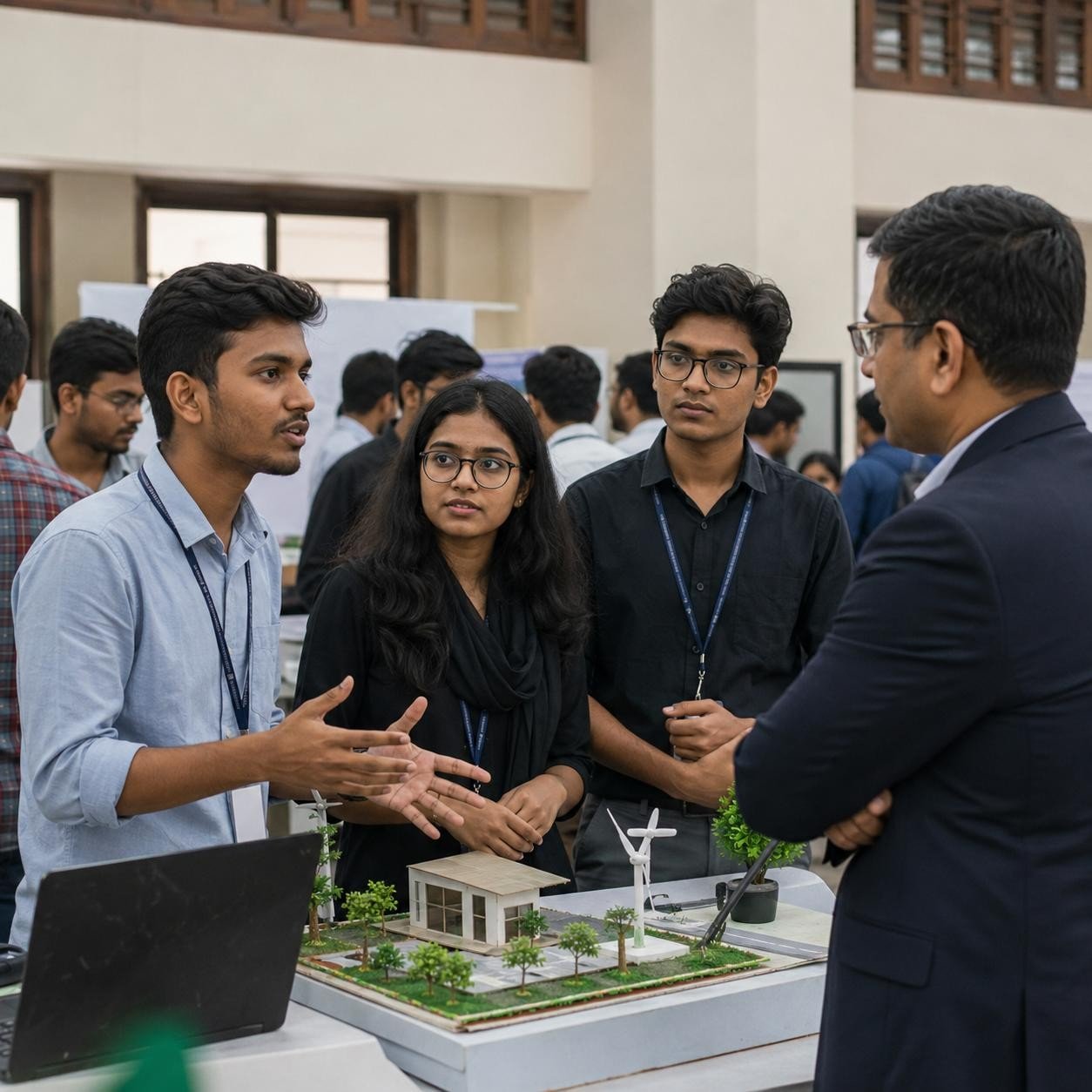

Dhaka University has launched an inter-university idea competition that will help students and recent graduates turn creative concepts into practical and scalable businesses. The programme invites participants from seven public universities and aims to strengthen entrepreneurship across Bangladesh’s higher education system. Eligible institutions include Dhaka University, Bangladesh University of Engineering and Technology, Bangladesh Medical University, Bangladesh Agricultural University, the University of Rajshahi, the University of Chittagong, and Khulna University of Engineering and Technology. By bringing learners from engineering, medicine, agriculture, business, and other fields into one competition, the initiative can encourage teams to combine different types of knowledge. A health idea may need medical and software skills, while an agricultural solution may require science, design, finance, and market planning. Selected teams will receive a 320-hour entrepreneurship education programme with training, mentoring, and technical support. This extended preparation can help participants move beyond a short presentation and study whether their ideas truly meet customer needs. They can learn how to define a problem, test a solution, estimate costs, build a business model, manage a team, and explain their value to possible investors or partners. The competition welcomes ideas in agriculture, healthcare, information technology, education, climate, energy, e-commerce, and creative industries. These areas include many of Bangladesh’s most important challenges and growth opportunities. Student teams may develop tools that save farmers time, improve access to care, support cleaner energy, strengthen learning, or make small businesses more efficient. The initiative is organised under the Creative Bangladesh project, a cooperation programme involving Bangladesh and the Korea International Cooperation Agency. This international link may provide useful knowledge on university-based entrepreneurship and help local institutions build stronger support systems for student founders. Universities have classrooms, laboratories, teachers, researchers, and talented young people, making them natural places for new ideas to grow. However, students often need guidance on how to move from an academic project to something people will actually use and pay for. Competitions can provide that bridge when they include practical training and honest feedback. The programme can also encourage participants to see failure as part of learning. An idea may change several times after customer interviews or technical testing, and that improvement is often a sign of progress. The strongest results will come when promising teams continue receiving support after the final pitches. Access to workspaces, prototypes, legal advice, seed funding, and industry contacts can help them keep building. This inter-university effort shows that entrepreneurship education can connect learning with real economic and social needs. It gives students a structured chance to create, test, cooperate, and imagine themselves not only as future employees, but also as responsible founders who can create useful services and new jobs for people in communities across the whole country.