

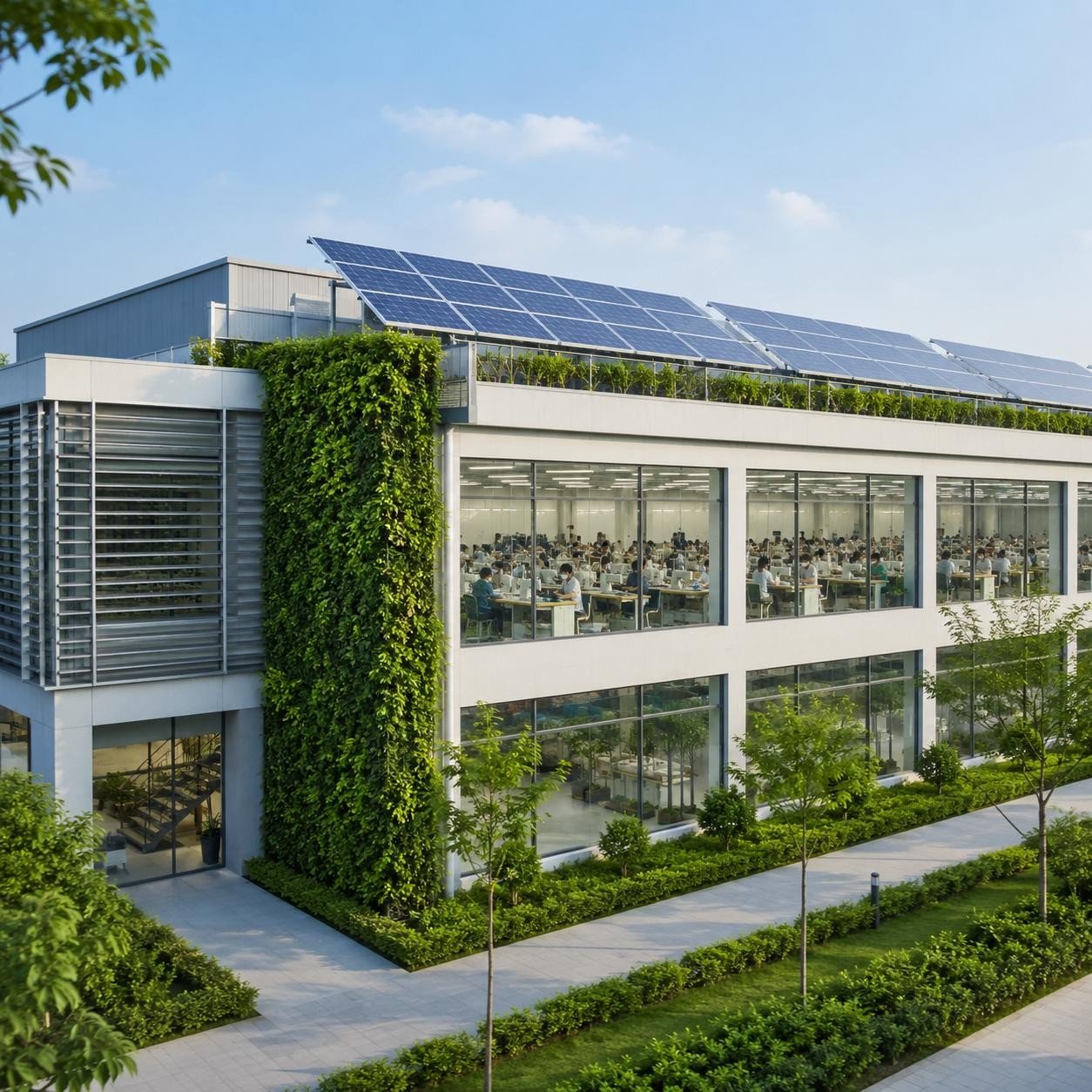

Four more garment factories in Bangladesh have earned LEED certification, giving the country another strong reason to be proud of its progress in green manufacturing. Canvas Garments and Matrix Sweaters received Platinum ratings, while Karim Textiles earned Gold and Karim Tex secured Silver. These achievements raise the number of LEED-certified garment factories in Bangladesh to 290, including 125 Platinum-rated and 145 Gold-rated facilities. The result shows that cleaner production is becoming a central part of the country’s apparel industry, not just a small experiment. LEED certification measures how well a building uses energy, water, materials, indoor space, and waste systems. Factories must meet strict standards and provide clear evidence before receiving a rating. This process encourages owners to improve lighting, ventilation, water reuse, waste control, and power efficiency. Such changes can lower operating costs while creating a safer and more comfortable workplace for employees. They can also help reduce pressure on natural resources. The four newly certified factories are located in Chattogram, Gazipur, and Dhaka, showing that green investment is spreading across major industrial areas. Their success may encourage other manufacturers to review their buildings and production systems. Smaller factories can also learn from these examples by starting with practical steps, such as fixing water leaks, using efficient lights, measuring energy use, and separating waste. Bangladesh now has 53 of the world’s 100 highest-scoring LEED-certified garment factories. This position gives the apparel sector a valuable advantage as global clothing brands look for responsible suppliers. Buyers increasingly want proof that products are made in facilities that manage resources carefully and follow modern environmental practices. Green certification can therefore support stronger business relationships, attract new orders, and protect the industry’s reputation. However, certification should be treated as the beginning of continued improvement rather than a final goal. Factories need regular maintenance, accurate data, trained workers, and long-term plans to keep their systems effective. Sharing good practices across the sector can make progress faster and more affordable. Universities, technology companies, financial institutions, and industry groups can support factories with research, training, modern equipment, and green financing. The latest certifications show how environmental responsibility and business growth can move together. By investing in efficient buildings and cleaner production, Bangladesh’s garment industry can save resources, improve workplaces, and meet changing buyer expectations. These four factories have added to a growing national success story that can inspire wider action throughout the manufacturing sector. Their progress also creates growing demand for engineers, energy auditors, environmental specialists, and skilled maintenance teams. Young professionals can build careers by helping factories measure performance and design better systems. As more facilities follow this path, green skills may become a normal part of apparel education, factory management, and everyday production planning nationwide.