

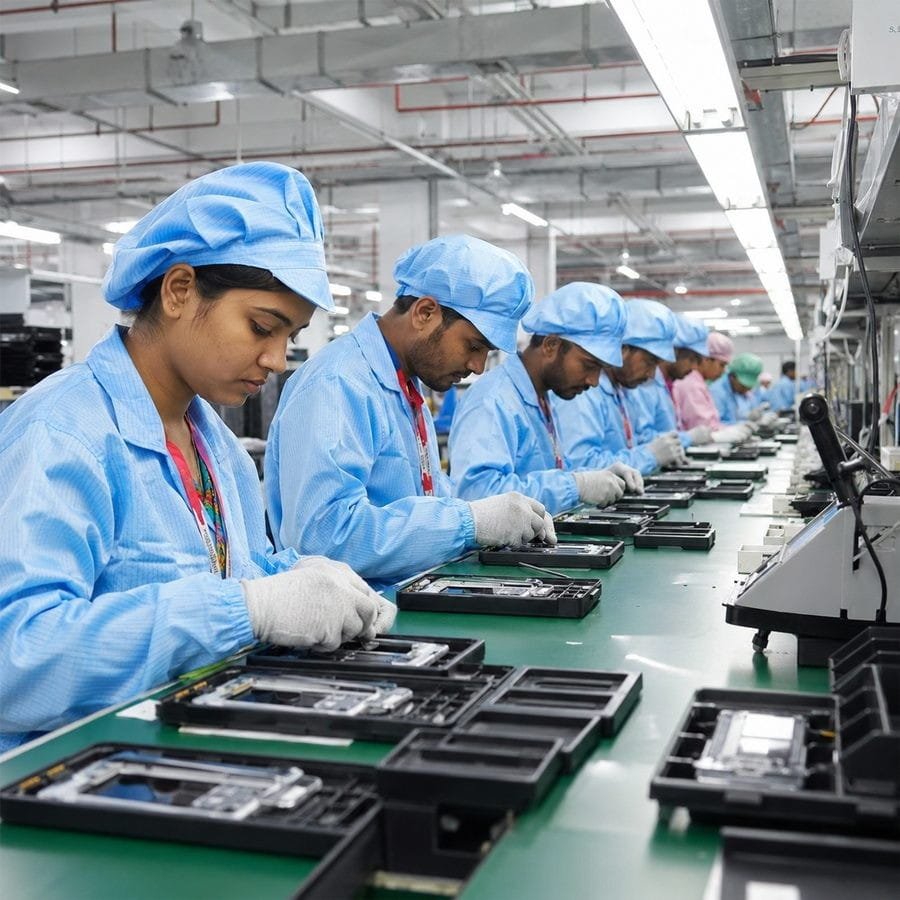

Bangladesh has set a five-year target to become a leading electronics manufacturing hub, creating new hope for local industry, technology jobs, and affordable digital devices. The plan focuses on building stronger local production in one of the country’s fastest-growing and most promising sectors after ready-made garments. This is important because electronic devices are now part of daily life, education, business, banking, communication, and public services. When a country can produce more digital devices locally, it can reduce import pressure, create skilled jobs, and make technology more affordable for ordinary people. The electronics sector already includes mobile phones, appliances, accessories, and other digital products, but the new target points toward a larger industrial future. With the right policy support, Bangladesh can move from simple assembly to deeper manufacturing, component production, product design, quality testing, and eventually export. This can create opportunities for engineers, technicians, factory workers, designers, logistics providers, and small suppliers. It can also help young people find work in a sector linked with modern skills. Local electronics manufacturing can support the wider ICT sector because digital development needs affordable devices. Students need laptops, tablets, and phones for learning. Small businesses need devices for online sales, mobile payments, and communication. Service providers need hardware to run digital platforms. If local production lowers prices, more people can join the digital economy. Export potential is another important part of the plan. Bangladesh has already shown through garments that it can become globally competitive when workers, factories, policies, and markets align. Electronics can become another growth area if manufacturers improve quality, meet global standards, and build strong supply chains. The sector can also attract investment because many companies around the world are looking for cost-effective and reliable manufacturing locations. To reach the five-year goal, Bangladesh will need stable policy support, skilled workers, industrial zones, testing facilities, access to raw materials, and links with global technology partners. Training institutions must prepare workers for modern production, while businesses must focus on safety, quality, and innovation. The goal is not only about making more devices; it is about building a stronger industrial base for the future. If the plan is implemented carefully, Bangladesh can make electronics more affordable at home, create new jobs, support exports, and take a stronger place in the global technology manufacturing chain.